What Is a 4th-Generation (Antigen/Antibody) HIV Test? How Accurate at 14 Days

When you test for HIV at a hospital or clinic today, the standard method is usually the fourth-generation (Gen 4) test, sometimes called an antigen/antibody or “combo” test. Common questions: what does it detect, how does it differ from older tests, and how accurate is it at 14 days after a risk?
This article explains Gen 4 in detail — what it detects, why it’s earlier than antibody-only testing, its accuracy at 14 days and the recommended window, how it differs from other tests, and the cost in Thailand. It draws on WHO, U.S. CDC, and Thai Department of Disease Control guidance. See the overview at HIV testing.
What is Gen 4?
Gen 4 looks for two things at once in a single test: the virus’s p24 antigen and the antibodies the body makes against HIV — unlike older tests that find antibodies only. Testing both is why Gen 4 detects earlier: p24 appears in blood sooner than antibodies, so you don’t have to wait for full immunity. See the stages of HIV.
What does Gen 4 detect?
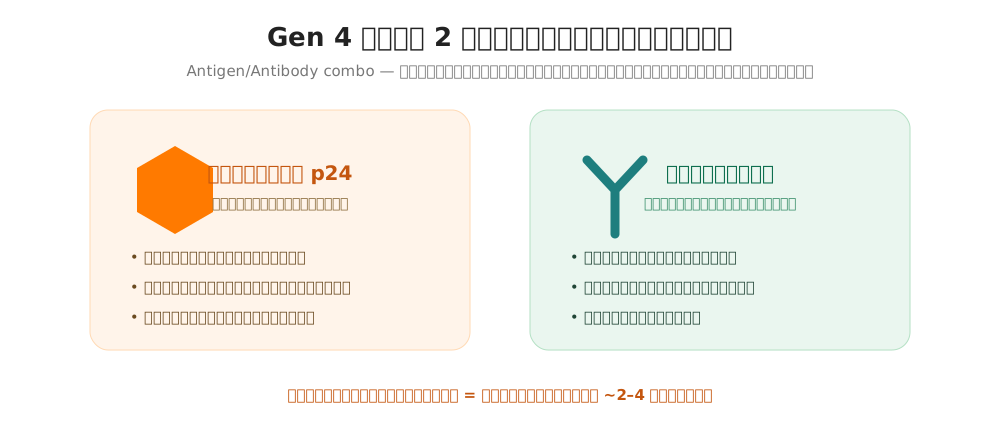
- p24 antigen — a viral protein that appears early in infection, enabling earlier detection.
- HIV antibodies — the immune response, which follows the antigen and persists long-term.
Testing both covers the early phase (antigen-dominant) and the later phase (antibody-dominant), catching infection from about 2–4 weeks.
How accurate at 14 days?
The short answer: at 14 days, Gen 4 “can start to detect” but isn’t 100% reliable yet — some people may not have enough antigen or antibody. See the accuracy over time below.
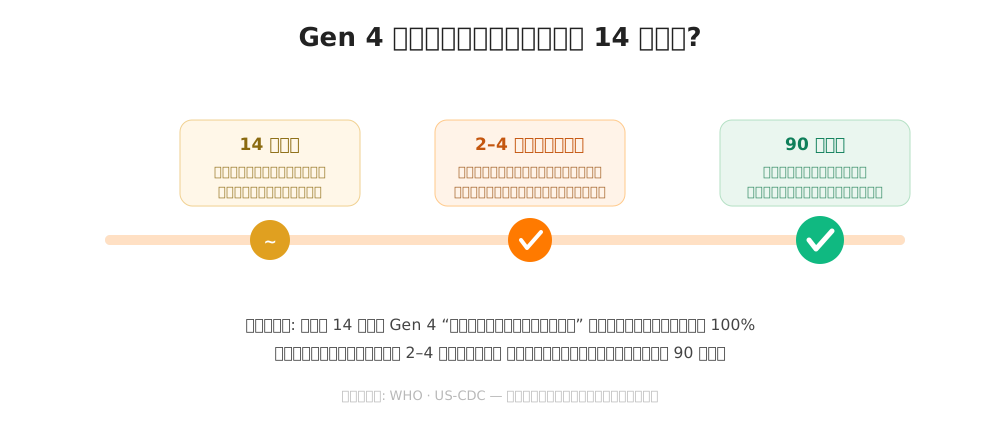
- ~14 days: detectable, but a negative isn’t conclusive — retest.
- 2–4 weeks: much more accurate; the recommended window.
- 90 days: conclusive; the final confirmation.
So you can test at 14 days, and a positive is meaningful — but a negative still needs a retest. Plan timing with the test date calculator.
Why Gen 4 is today’s standard
- Earlier detection than older tests, thanks to adding p24.
- Accurate and broad, good for wide screening.
- Widely accessible, including free testing under national coverage.

How Gen 4 differs from other tests
| Test | Detects | Earliest | Strength |
|---|---|---|---|
| Gen 3 | Antibody only | ~3–4 weeks | Basic |
| Gen 4 | Antigen + antibody | ~2–4 weeks | Fast + accurate |
| Rapid test | Usually antibody | ~1–3 months | Convenient/home |
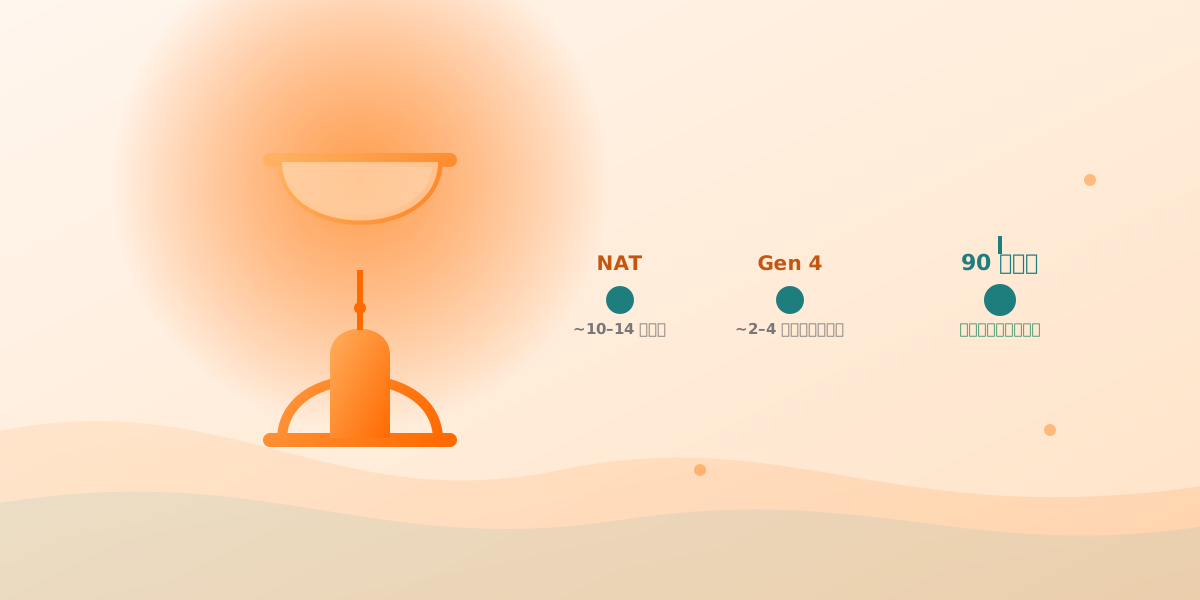
| NAT / PCR | Viral genetic material | ~10–14 days | Earliest |
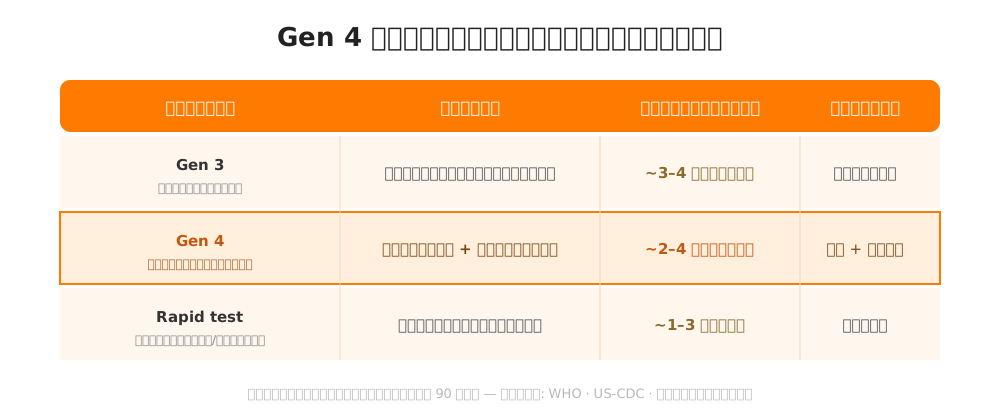
NAT is earliest but costs more and needs a specialist lab; Gen 4 balances speed and access. See types of HIV test.
How to read a Gen 4 result
Gen 4 results are usually reported two ways. Non-reactive generally means no infection detected at that time — but an early test (~14 days) still needs a retest before it’s conclusive. Reactive is a screening result that always needs confirmatory testing; it doesn’t mean infection is certain. Screening is designed to be sensitive and can give occasional false positives, so a facility will confirm with additional testing before drawing conclusions. If you get a reactive result, don’t panic — follow up with the confirmatory test your provider advises.
Pros and limits
- Pros: earlier than older tests, accurate, accessible, often free under coverage.
- Limits: not 100% reliable in the first 14 days; an early negative needs a retest; not as fast as NAT for very recent risk.
Cost and access in Thailand
Good news: Gen 4 is standard screening, so it’s usually part of the free twice-a-year HIV testing for Thai nationals under NHSO policy with an ID card — at public hospitals and health centres, anonymous clinics (small fees vary), and private clinics (often a few hundred baht). Ask ahead about coverage and preparation.
When to test — and confirm at 90 days
- Test from about 2–4 weeks, when accuracy is high.
- If you test early at ~14 days and it’s negative, retest.
- Confirm at 90 days, especially with ongoing risk.

If exposed within 72 hours, seek PEP first, then plan testing. Use the test date calculator.
Conclusion
Gen 4 is today’s standard HIV test, finding both p24 antigen and antibodies in one test — earlier than antibody-only testing. It’s detectable at ~14 days, much more accurate at 2–4 weeks, and should be confirmed at 90 days. It balances speed, accuracy, and access, and is often free twice a year for Thai nationals. Start at the calculator and see options at HIV testing.