HIV Test Is Negative but You Still Have Symptoms — Why, and When to Retest?
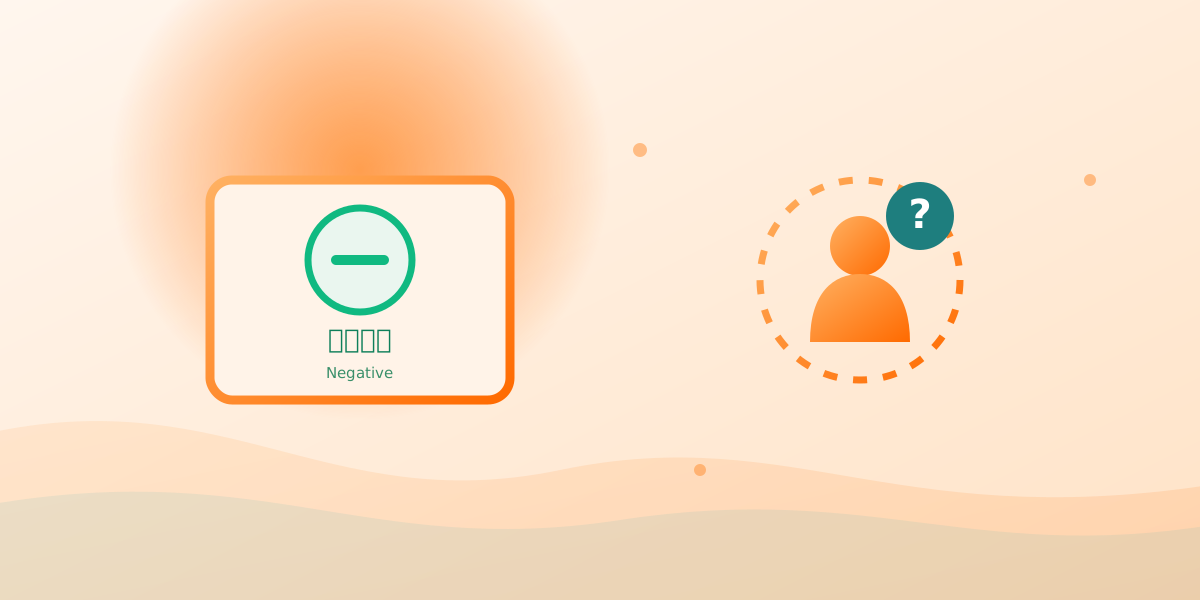
A confusing, worrying situation is testing HIV-negative but still feeling some symptoms — fever, fatigue, or things you think might relate to HIV. The questions that follow: “what does negative-but-symptomatic mean?” and “should I retest?”
This article explains what can cause a negative result with symptoms, why symptoms alone can’t tell you whether you’re infected, when to retest, and when to see a doctor. It draws on WHO, U.S. CDC, and Thai Department of Disease Control guidance. See the overview at HIV testing.
Is negative-but-symptomatic possible?
Yes — and it’s common. The key is that the symptoms many worry about are not specific to HIV: they can come from many other causes. So having symptoms doesn’t mean infection, and a negative result is important information to weigh too. Rather than reading symptoms alone, considering “when you tested” and “whether you’re past the window” clarifies things.
What can cause it?
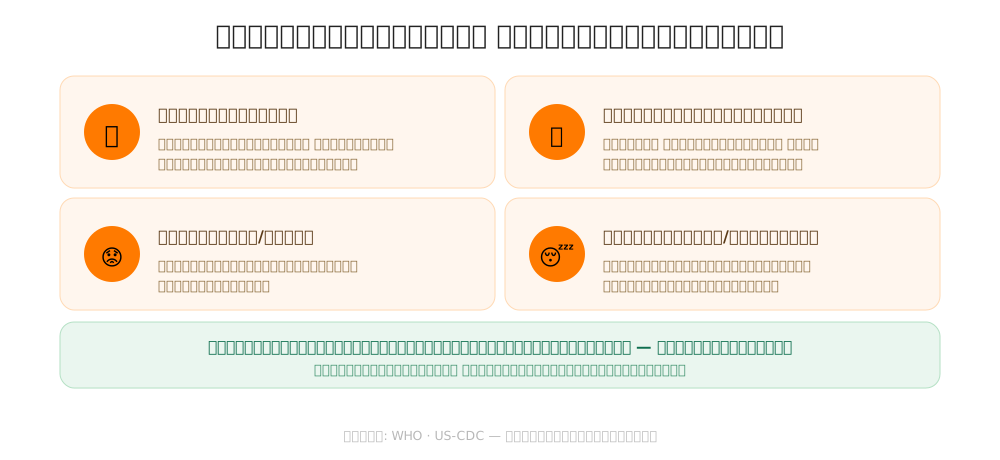
- Tested too early — still in the window period; not enough detectable markers, so negative despite possible infection.
- Symptoms from other causes — colds, other infections, or common illnesses with similar symptoms.
- Stress or anxiety — worry about HIV can make you feel physical symptoms.
- Poor rest or fatigue — general tiredness not specific to any one illness.
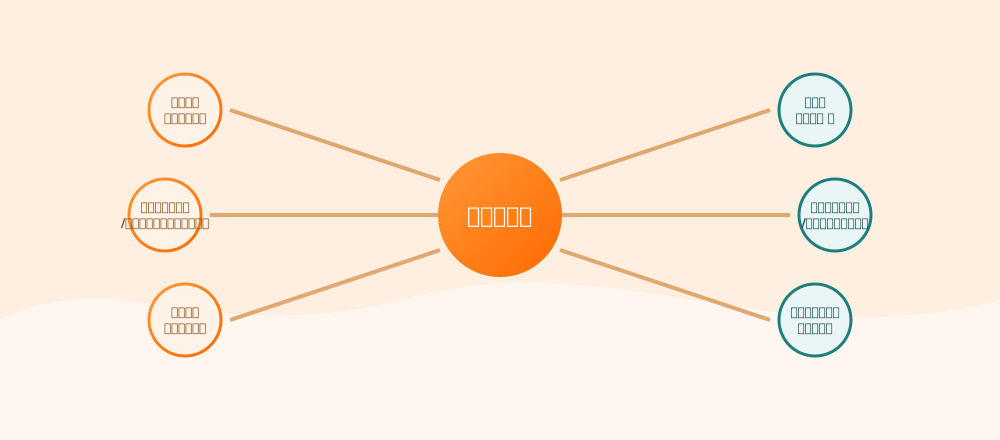
The same symptom can have many causes, so assuming it must relate to HIV can cause needless worry.
Symptoms alone tell you nothing
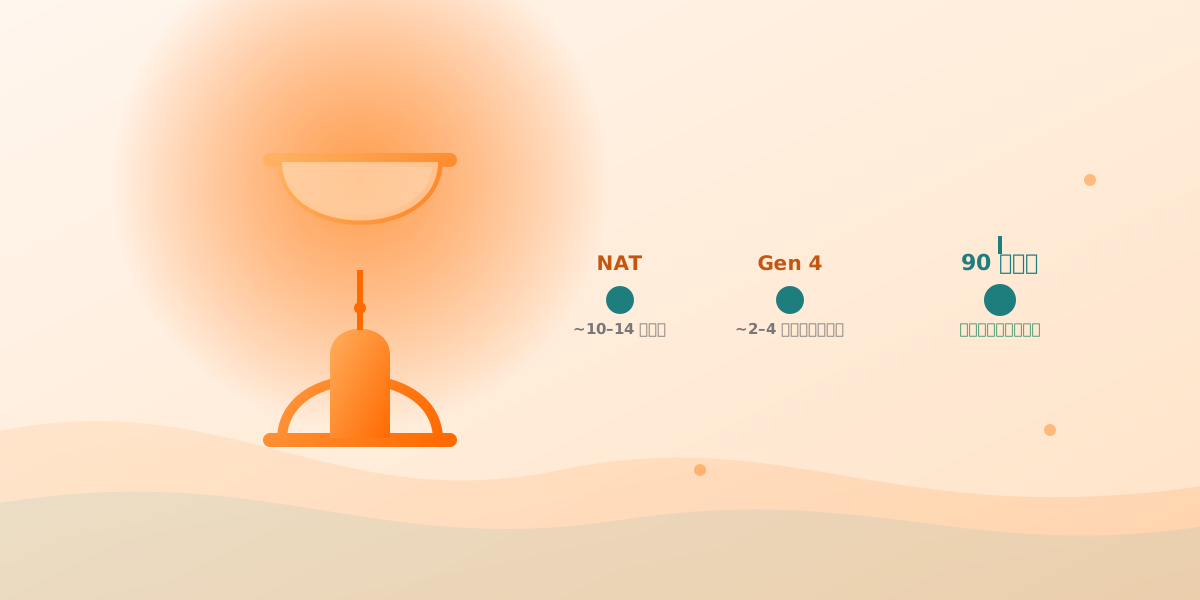
Crucially, symptoms alone can’t tell you whether you have HIV: early symptoms (if any) often resemble a cold or common illness, and many with early infection have no clear symptoms at all. Conversely, uninfected people can have these symptoms from other causes. So the clearest indicator is the test result, not guessing from symptoms. Testing at the right time is the most reliable way to know your status. To understand the window period, see the test date calculator.
Interpreting negative + symptoms
| Situation | A negative means | What to do |
|---|---|---|
| Tested early (before the window ends) | Uncertain | Retest past the window and confirm at 90 days |
| Tested after 90 days post-exposure | Very reliable | Symptoms likely from another cause → see a doctor |
| New risk after testing | Doesn’t cover the new risk | Start counting from the latest risk, then test |
Interpreting a negative always means looking at when you tested — not just that it’s negative.
When to retest
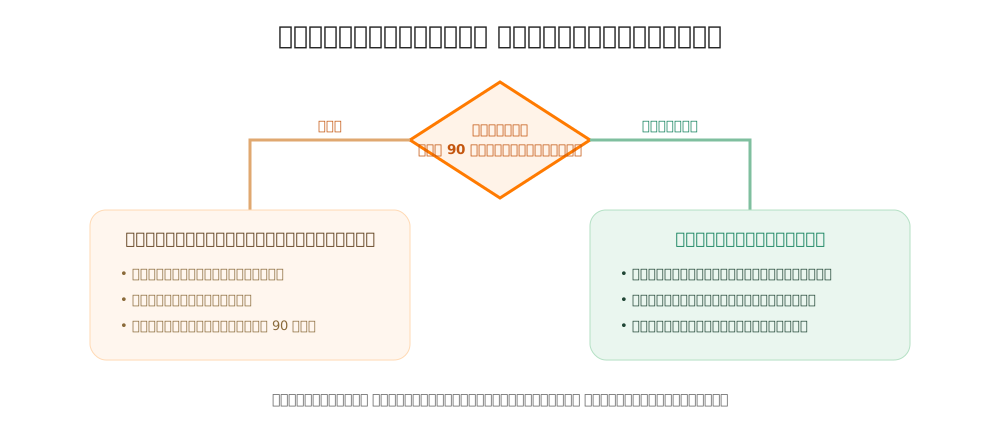
- If not past 90 days — the negative may be uncertain; retest past the window and confirm at 90 days.
- If past 90 days — the negative is reliable; symptoms likely have another cause, so see a doctor to find it.
Either way, if symptoms don’t improve or you’re still worried, seeing a doctor is always a good option.
When to see a doctor
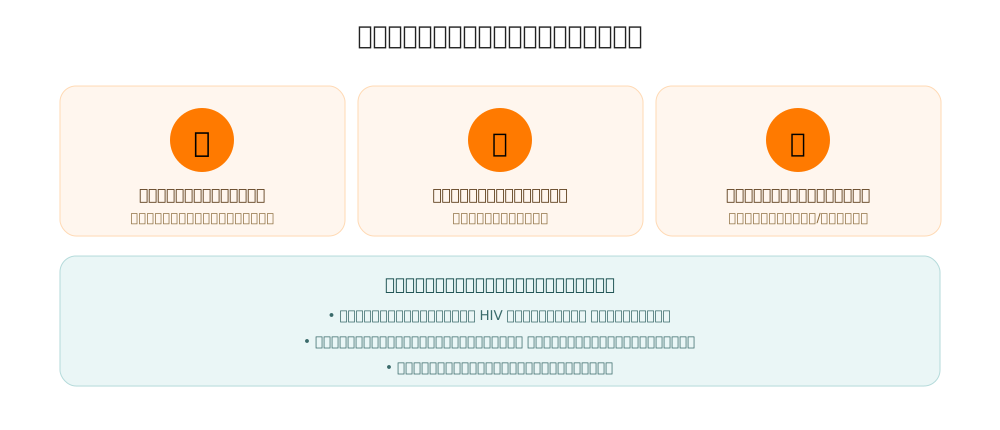
- Symptoms don’t improve — or last unusually long.
- Symptoms worsen — seek advice promptly.
- Still worried about your result — want to retest or get advice.
A doctor helps both ways — advising when and how to retest for HIV, and finding the true cause of symptoms for targeted care. Seeing a doctor isn’t scary; it’s how you get clear answers and peace of mind.
Don’t self-diagnose from symptoms
Searching symptoms online and matching them to yourself can cause needless worry, since many common symptoms fit many illnesses. Instead: rely on your test result and consider when you tested; if still in the window, retest at the right time; and if symptoms disrupt life or don’t improve, see a doctor to find the cause. Relying on test facts and medical advice reduces worry more than guessing from symptoms.
Why anxiety can make you feel symptoms
Something many overlook: anxiety and stress can genuinely affect the body, especially with ongoing health worry. Stress can cause fatigue, headaches, poor sleep, or feeling unwell — common symptoms not specific to HIV. Focusing on your body makes minor sensations you’d normally ignore feel prominent. And a worry cycle can form: anxiety makes you feel symptoms, and symptoms fuel more anxiety. This doesn’t mean your symptoms “aren’t real” — it means they may not relate to HIV. Talking with a doctor and having a clear test result helps break this cycle, so you can refocus on overall health. If worry disrupts daily life, seeking counselling is a good option too.
If exposed within 72 hours
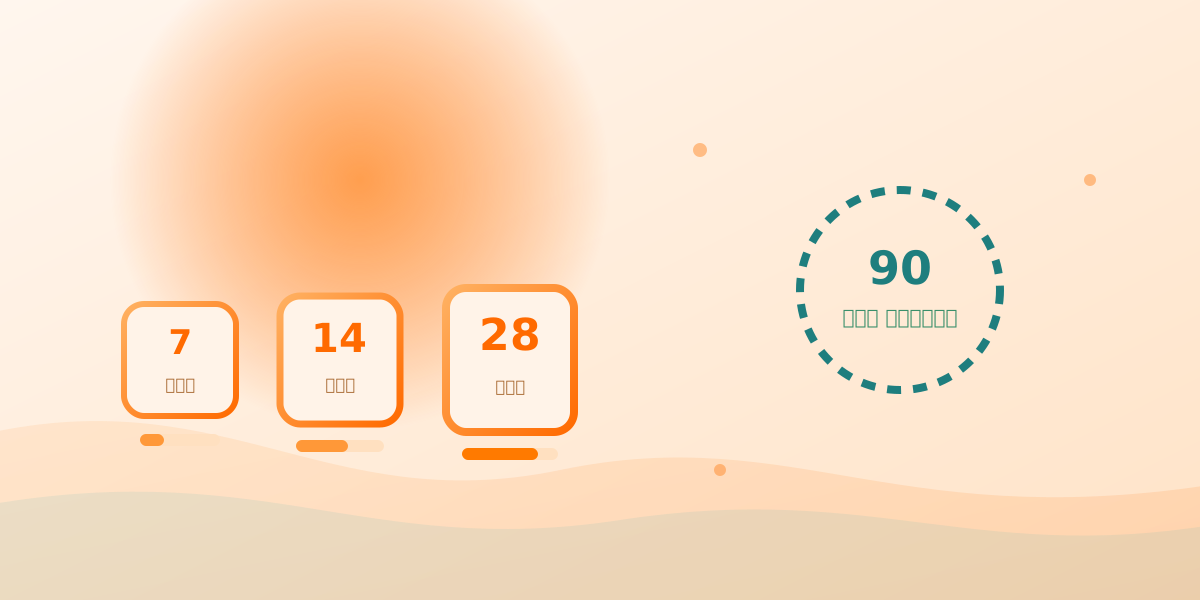
If you’ve had a high risk within 72 hours, first seek PEP, an emergency medication that lowers the chance of infection, started within 72 hours for 28 days, then plan testing.
Conclusion
Testing HIV-negative but still having symptoms is common, with causes like testing too early in the window, symptoms from other illnesses, stress, or fatigue. Crucially, symptoms alone can’t tell you whether you’re infected — you must weigh the result together with when you tested. If you tested early, retest and confirm at 90 days; if past 90 days a negative is reliable, and you should see a doctor to find the cause of symptoms. Don’t self-diagnose from symptoms, and if within 72 hours, ask about PEP first. See options at HIV testing and calculate your test date at the calculator.