Morning Fever, Diarrhoea, Night Sweats: HIV or Just the Flu?
After a possible exposure, many people start watching their body closely. A fever in the morning or evening, diarrhoea, and waking up drenched in sweat naturally raise the question: is this HIV? The truth is that these symptoms can be part of early HIV infection — but they’re also caused by the flu and many other conditions.
This article explains how these symptoms relate to HIV, how they differ from flu, what else might cause them, and — most importantly — what to do to get a definite answer. It draws on guidance from the WHO, the U.S. CDC, and Thailand’s Department of Disease Control.
The symptoms in question: fever, diarrhoea, night sweats
- Fever (morning/evening) — often low-grade and on-and-off, sometimes with chills; very common across many viral infections.
- Diarrhoea — loose stools over several days, sometimes with nausea or poor appetite.
- Night sweats — waking to find yourself or the bed damp with sweat even when it isn’t hot.
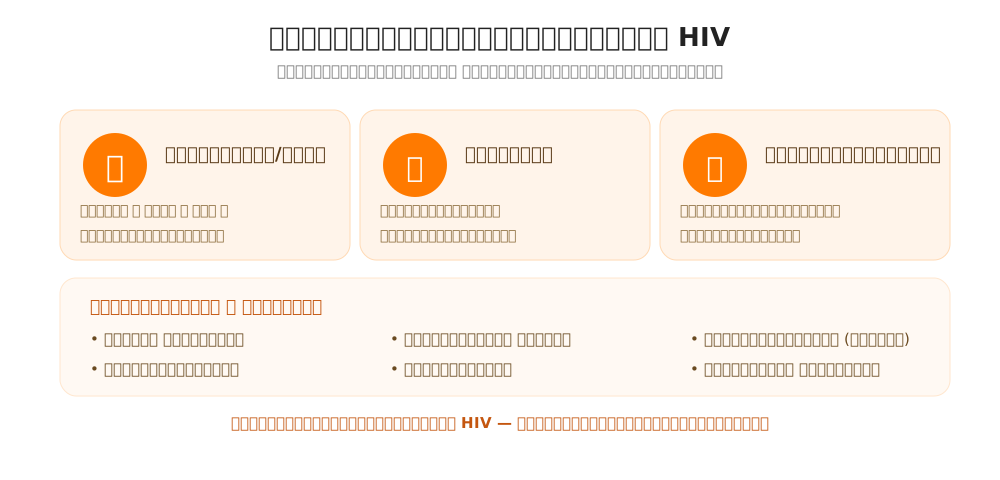
None of these is specific to HIV — all can come from ordinary viral infections, stress, or other health issues.
How these relate to HIV
In early HIV infection, around 2–4 weeks after exposure, the body may develop Acute Retroviral Syndrome (ARS) — a flu-like response that can include fever, diarrhoea, night sweats, sore throat, rash, and swollen nodes. But remember: these don’t happen to everyone (many have none), and they can’t confirm or rule out infection. See HIV symptoms and HIV basics.
HIV vs the flu: what’s different?
| Feature | Influenza | Acute HIV |
|---|---|---|
| Onset | 1–4 days after exposure | 2–4 weeks after a risk |
| Duration | ~5–7 days | Can last longer; rash may stand out |
| Runny nose/cough | Common | Less common |
| Rash/swollen nodes | Uncommon | Common |
| Key clue | Flu season/outbreak | A risk 2–4 weeks earlier |
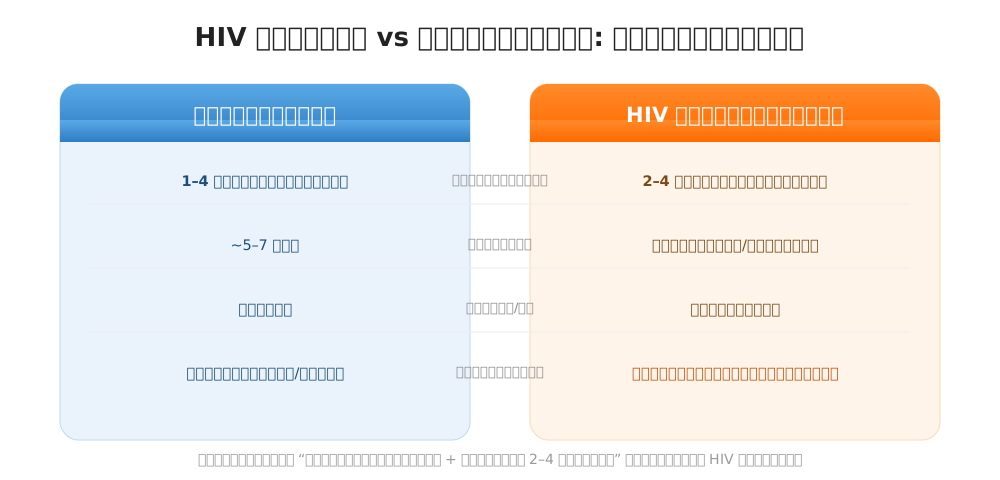
The strongest clues are risk history and timing. Flu-like symptoms ~2–4 weeks after a risk are a reason to consider HIV and test.
Not everything is HIV — other causes
- Common viral infections such as flu, dengue, or others.
- Bacterial gut infections causing diarrhoea.
- Stress and anxiety, which can themselves cause night sweats and poor sleep.
- Other conditions such as an overactive thyroid or medication side effects.

When to specifically suspect HIV
- Flu-like symptoms 2–4 weeks after a risk
- A rash with fever and swollen nodes in several sites
- Symptoms longer or more severe than a typical cold
- Mouth or throat ulcers
- A clear risk such as condomless sex or a broken condom
When worry itself creates symptoms
What many don’t realise is that anxiety about infection can itself cause physical symptoms — a racing heart, sweating, poor sleep, headaches, fatigue, stomach upset, even a sense that lymph nodes are swollen. Worrying and body-checking makes us notice tiny changes and read them as danger, creating a loop: worry → check → find a “symptom” → worry more. The best way out is to test and get a clear answer, which usually eases worry far better than continued self-observation. If anxiety is severe, talking to a counsellor or health worker helps.
How to know for sure
The only definite answer is an HIV test — symptoms can’t tell you, and many have none. Choose the method to match the days since exposure, because the window period means testing too early can give a false negative.
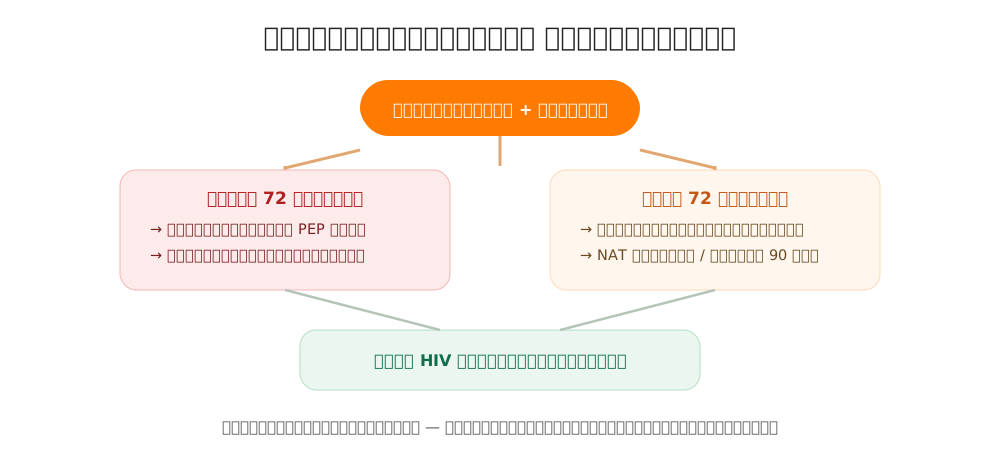
NAT detects earliest (~10–14 days), 4th-gen is reliable at ~2–4 weeks, and confirm at 90 days. Use the test date calculator and see options at HIV testing. If exposed within 72 hours, seek PEP right away.

Where to get tested
Thailand offers several options, free and paid: public hospitals and health centres (Thai nationals can test free twice a year under the NHSO scheme with an ID card), anonymous clinics such as the Thai Red Cross Anonymous Clinic, specialist and community clinics offering friendly testing and counselling, and self-test kits (private and convenient, but a positive result must always be confirmed at a facility). See HIV testing for methods and preparation.
Conclusion
Morning fever, diarrhoea, and night sweats can be part of early HIV — but they also come from flu and many other causes. The distinguishing clues are risk history and the 2–4 week timing. Still, symptoms alone can’t confirm anything; the only sure way to know is a well-timed test. If you’re worried, assess your risk, plan a test, and if within 72 hours, ask about PEP — start at the calculator and HIV testing.