PrEP Side Effects: Stomach Upset, Kidneys, and Bones — How to Prevent and Manage Them

When it comes to using PrEP to prevent HIV, a common worry is side effects — especially the often-heard stomach upset and nausea, plus effects on kidneys and bones. This concern is understandable, but the fact is PrEP has been used for a long time and is generally considered safe under a doctor’s care.
This article explains what PrEP’s side effects are, what each is like, how to prevent and manage them, and when to see a doctor. It draws on WHO, U.S. CDC, and Thai Department of Disease Control guidance. If PrEP is new to you, first read PrEP for HIV.
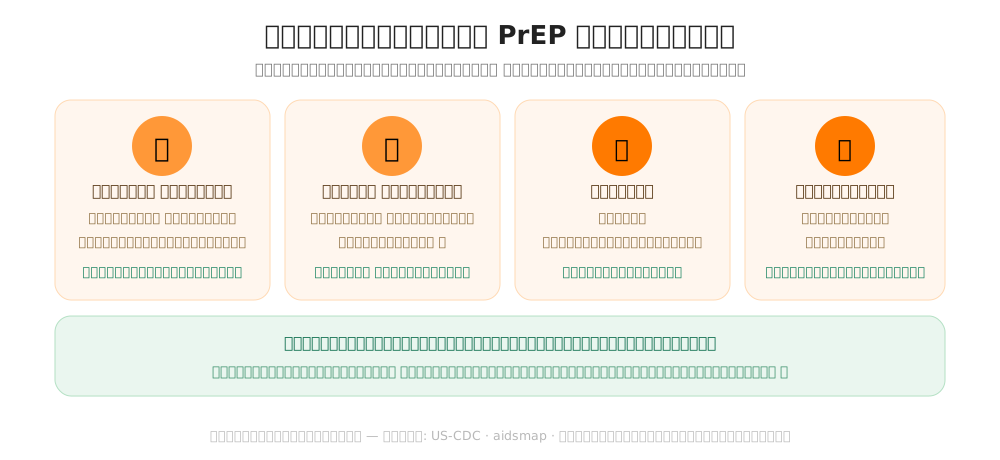
What side effects does PrEP have?
| Side effect | Nature | Usually when | Care |
|---|---|---|---|
| Stomach upset/nausea | Most common, mild | First weeks | Usually self-resolves; taking with food helps |
| Headache/fatigue | Mild | Early on | Rest, hydrate; usually improves on its own |
| Kidney effects | Uncommon | During use | Periodic kidney tests; usually reversible after stopping |
| Bone effects | Usually small | Long-term use | Doctor assesses; usually reversible after stopping |
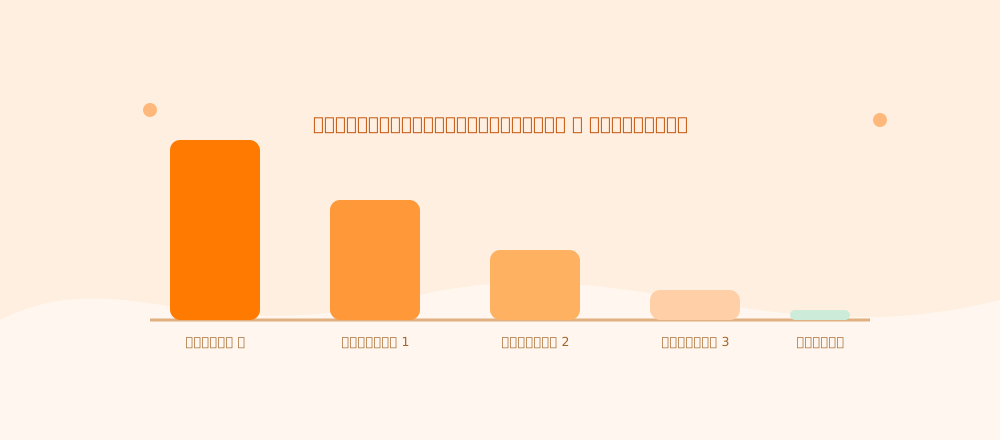
So most side effects are mild and early, while kidney and bone effects are uncommon and usually reversible. Importantly, all of this is under a doctor’s monitoring.
Stomach upset, nausea, and start-up symptoms
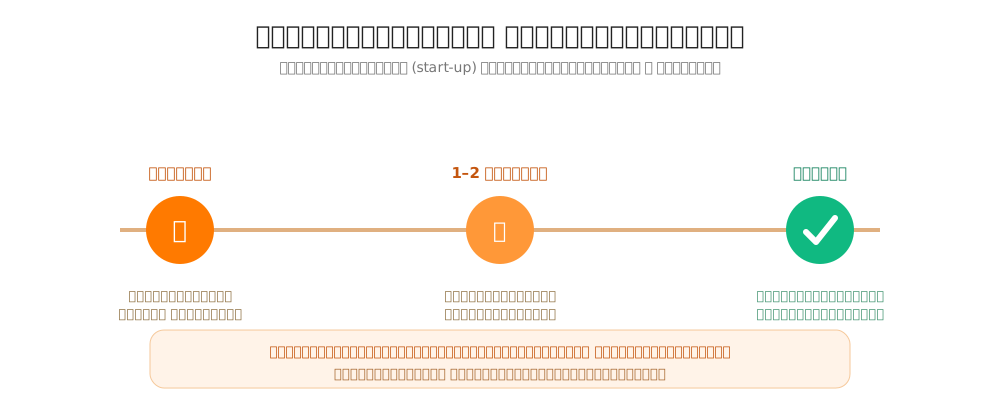
- Usually brief — most start-up symptoms resolve within one to two weeks.
- Food helps — taking it with food reduces nausea and stomach upset.
- General care — enough rest and hydration ease headache and fatigue.
If symptoms don’t improve after a couple of weeks, or are severe, see a doctor. Don’t stop on your own.
Kidney effects
Some PrEP formulations may affect kidney function in a small number of people, especially those older or with pre-existing kidney issues. Still, this is usually mild and reversible after stopping, and a doctor monitors kidney function periodically. It’s uncommon; usually reversible once detected and care is adjusted; and blood tests help catch changes early. So those with pre-existing kidney issues should tell their doctor before starting, so the doctor can assess and choose a suitable approach.
Bone effects
Some PrEP formulations may slightly lower bone mineral density, especially with long-term use. This change is usually small, and for those with normal bones generally doesn’t lead to fractures, and it’s usually reversible after stopping. It’s usually a small change with no clear problems in most people; those at bone risk (e.g. low bone density) should tell their doctor for extra care; and a doctor may advise care such as calcium and vitamin D in some cases. Telling your doctor your bone-health history before starting helps them plan suitable care.
How to prevent and manage side effects
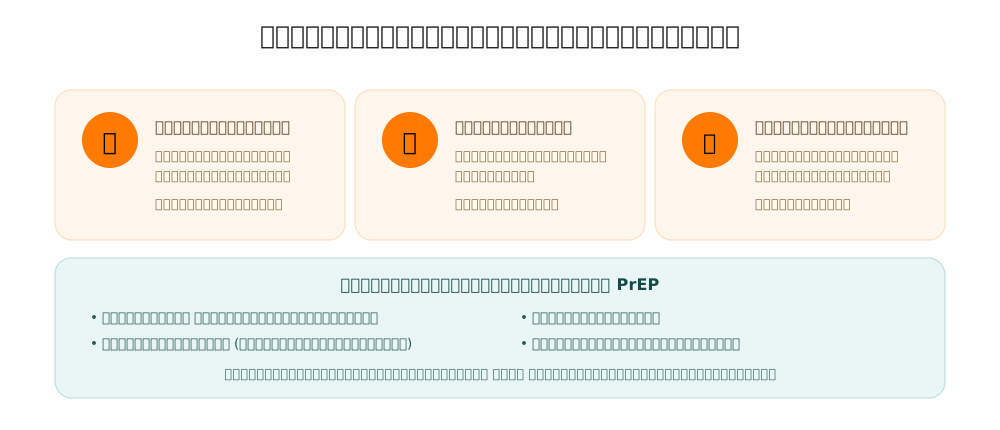
- Blood tests as scheduled — periodic kidney and health checks as your doctor sets.
- Take with food — reduces nausea and stomach upset early on.
- Report concerns — tell your doctor about unusual or severe symptoms, without stopping on your own.
- Share your history before starting — especially kidney disease, bone disease, and hepatitis B.
One important point: people with hepatitis B shouldn’t stop PrEP abruptly on their own, as it may affect the liver, so always consult a doctor before stopping. Also, PrEP comes in several formulations, and a doctor may choose one gentler on kidneys and bones to suit you.
Who is more likely to have side effects
Although most people have only mild side effects or none, some are more likely to experience them — which is why a doctor’s assessment before starting matters. Those with pre-existing kidney issues may be more prone to kidney effects, needing special assessment and monitoring; older people may have age-related kidney decline, warranting appropriate monitoring; those with low bone density or osteoporosis risk should tell their doctor for extra care; and those with hepatitis B need special care, especially not stopping abruptly. For these groups, it doesn’t mean PrEP is off-limits — it means more suitable assessment and care. A doctor may choose a more suitable formulation or adjust monitoring frequency to each person’s health. Sharing full health information is the important first step.
When to see a doctor
- Start-up symptoms don’t improve after a couple of weeks.
- Unusual symptoms such as changes in urination, swelling in legs or feet, or persistent bone pain.
- Severe symptoms or feeling unusually unwell.
- Questions about the medication or side effects.
Consulting a doctor when in doubt is the best approach, since they can assess, adjust care, or consider suitable options. See HIV testing and monitoring at HIV testing.
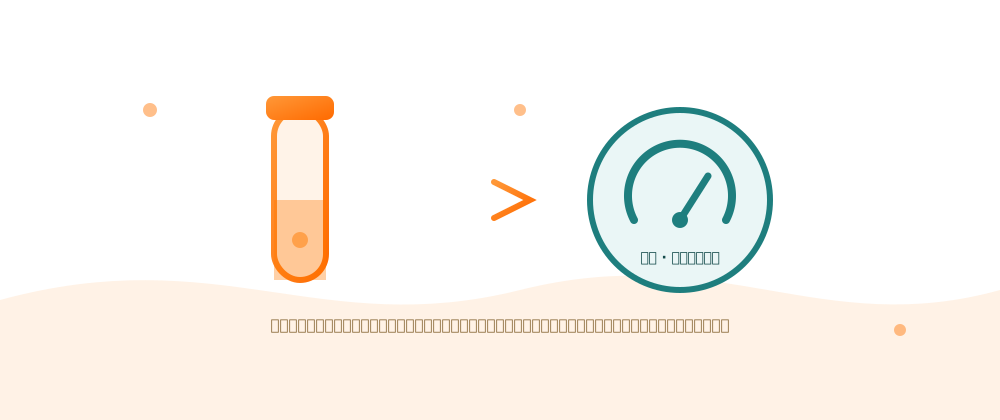
Most side effects are mild
The key takeaway: most people on PrEP have only mild side effects or none, severe effects are very uncommon, and monitoring catches and manages them early. Weighing the HIV-prevention benefit against side effects that are mostly mild and manageable, PrEP is a valuable option for those at risk. Using it under a doctor’s care is the key to it being both effective and safe.
Conclusion
PrEP is generally safe under a doctor’s care. Most side effects are mild and early — stomach upset, nausea, headache, fatigue — usually resolving within one to two weeks. Kidney and bone effects are uncommon, usually small and reversible after stopping. Good care means blood tests as scheduled, taking it with food to reduce nausea, reporting concerns to your doctor, and sharing your health history before starting — and people with hepatitis B shouldn’t stop abruptly. Most people have only mild side effects or none, and using it under a doctor’s care keeps it both effective and safe. If interested or unsure, consult a doctor or clinic. See more at PrEP for HIV and the overview at HIV prevention.