What Is Anonymous HIV Testing? No ID Needed — Where Can You Do It?

One barrier that makes people hesitate to test for HIV is worry about privacy and stigma. Some fear others will find out, or that their information isn’t safe. One option that eases this is anonymous HIV testing — testing without revealing your real name.
This article explains what anonymous testing is, how it differs from confidential testing, whether an ID card is needed, where to do it, the process, and why it matters for access. It draws on WHO, U.S. CDC, and Thai Department of Disease Control guidance. See testing locations at clinics and test sites.
What is anonymous HIV testing?
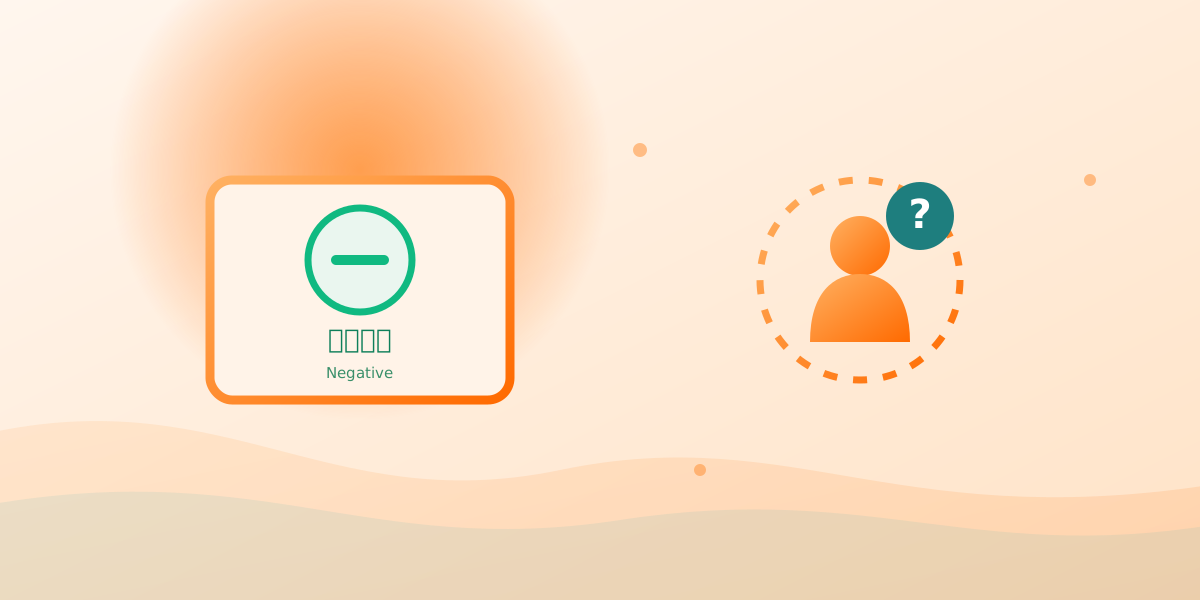
Anonymous testing is a form of testing where you don’t reveal your real name; the facility uses a personal code instead, linking the result to a “code,” not your identity. This helps privacy-conscious people feel able to test. Its main goal is to lower the barrier to access — the more people feel able to test, the sooner they can know their status and enter care. See the overview at HIV testing.
Anonymous vs confidential
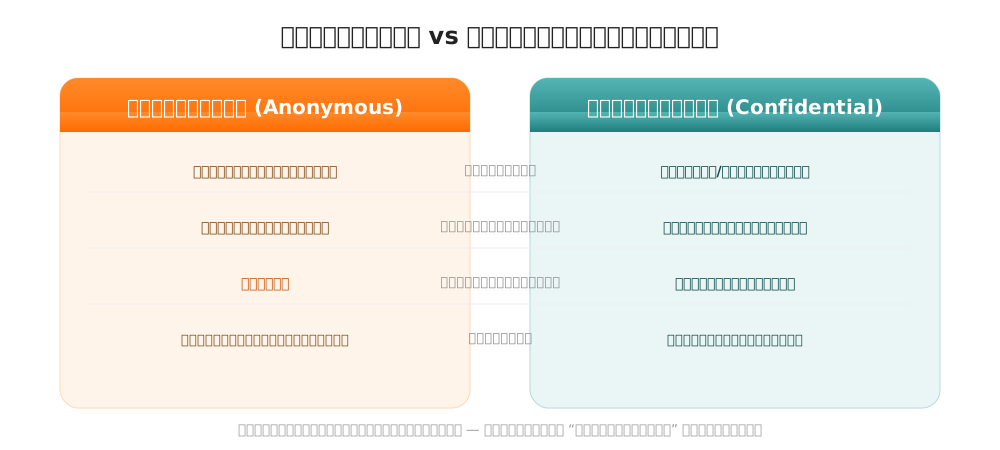
| Feature | Anonymous | Confidential |
|---|---|---|
| Identification | No real name needed | Uses name/ID card |
| Record-keeping | Usually a code | In medical records |
| Privacy | Very high (no identity) | Protected by the system |
| Best for | Those worried about identity | Ongoing care in the system |
Confidential means your data is protected even though your name is recorded; anonymous means no real name from the start — higher privacy. Both are good options, depending on your comfort and needs.
Do you need an ID card?
A common question is whether anonymous testing needs an ID card. In principle, its strength is that you don’t need to reveal your real name or use an ID card for identification, since a code is used. However, terms vary by facility, some register differently, so ask ahead; and using certain care entitlements later may involve extra identification steps. For clarity, call the site you’re interested in directly.
Where to test anonymously
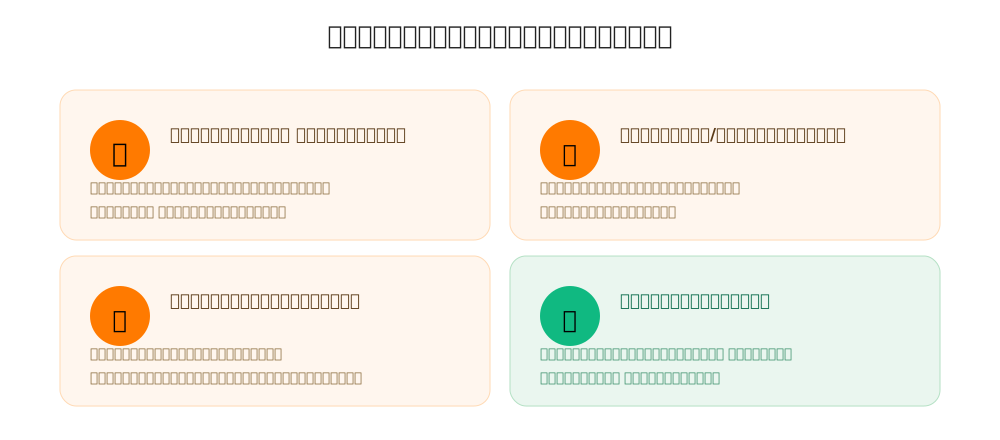
- Thai Red Cross Anonymous Clinic — well known for testing without revealing your real name, with counselling.
- Some hospitals and clinics — some offer anonymous testing; ask ahead.
- Civil-society organisations — many community services have friendly, private sites.
- Call before you go — confirm anonymous service, terms, cost, and hours.
See more at clinics and test sites to choose a convenient site.
The anonymous testing process
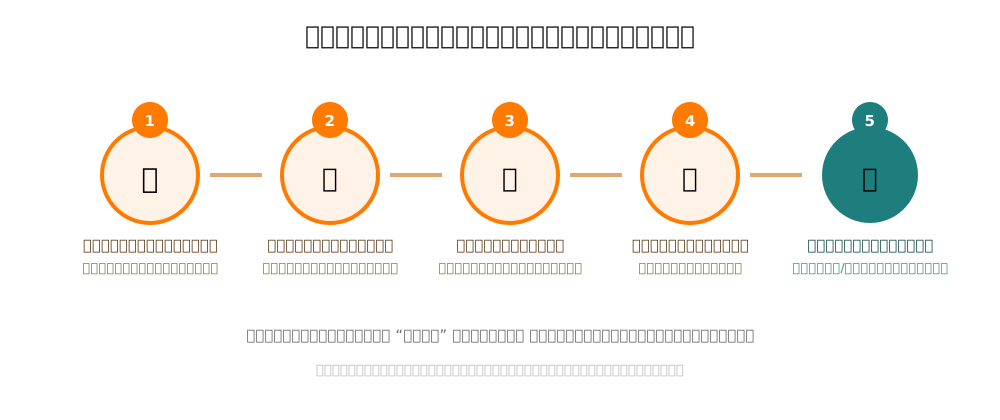
- Get a personal code — used instead of your name.
- Pre-test counselling — discuss risk and the process.
- Sample and test — by standard methods.
- Get your result by code — with an explanation.
- Next-step advice — confirmation if needed, or referral to care.
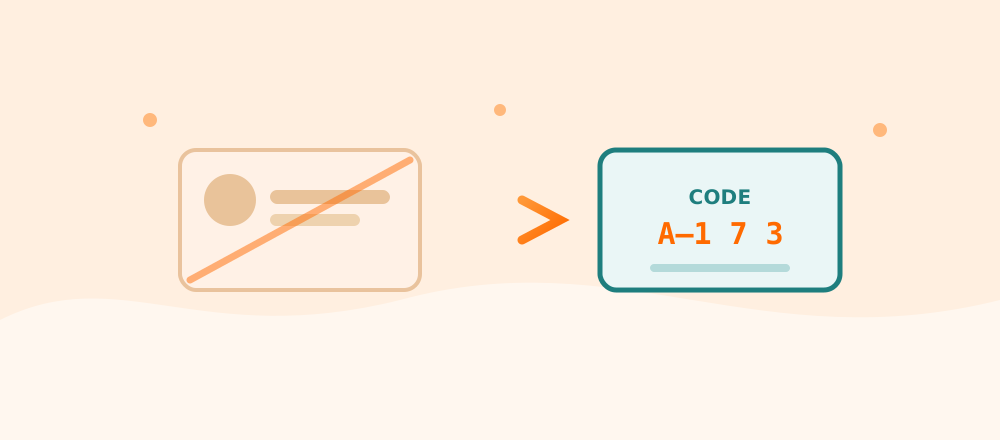
Throughout, a “code” stands in for your identity, so you needn’t reveal your real name.
Why anonymous testing matters

- Lowers barriers and fear — the privacy-conscious feel able to test.
- Reduces stigma — makes testing a normal, accessible thing.
- Earlier awareness — knowing sooner means timely care or prevention.
When more people feel able to test, control and prevention improve. Anonymous testing is a key tool for encouraging everyone to know their status without worry.
Cost and what to know
- Ask about cost and available methods ahead of time.
- An abnormal result needs confirmation, as with any testing.
- Ask about receiving results and counselling.
To compare methods, see types of HIV test.
What to prepare before anonymous testing
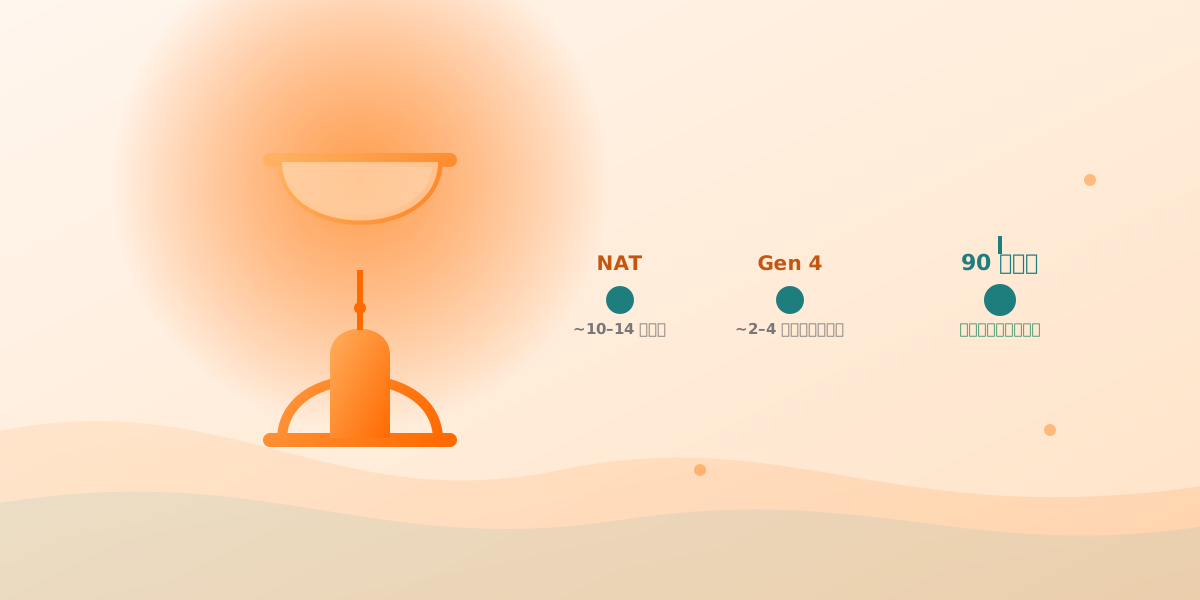
A little preparation makes the visit smoother: call ahead to confirm the site truly offers anonymous service, and ask hours, cost, and methods; count the days since your risk to judge whether you’re past the ideal window for a reliable result; prepare your questions — about risk, prevention, or next steps — to make the most of counselling; and relax — HIV testing is normal health care, nothing to be ashamed of, and staff are there to help. HIV testing needs no fasting, so go when convenient; and if a new risk occurs, start counting again from the most recent one.
If exposed within 72 hours
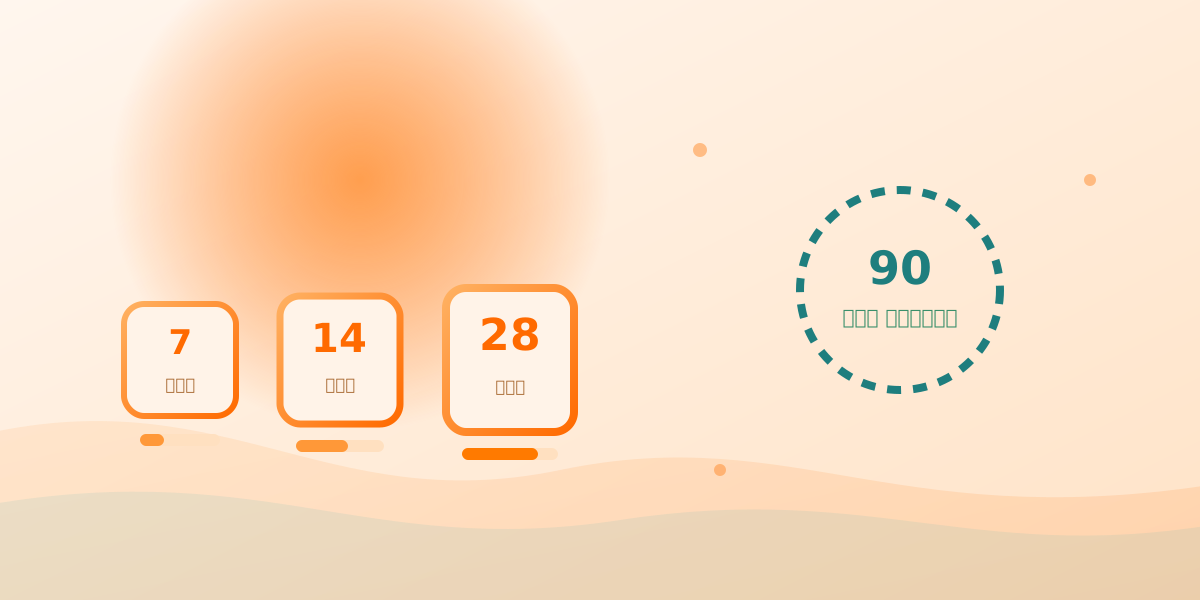
If you’ve had a high risk within 72 hours, testing alone may not suffice (still in the window). Seek PEP, an emergency medication that lowers the chance of infection, started within 72 hours for 28 days, then plan testing. Use the calculator to see when to test.
Conclusion
Anonymous HIV testing lets you test without revealing your real name, using a code — very private, and lowering barriers to access. Unlike confidential testing, there’s no name from the start; in principle no ID card is needed, though ask each facility’s terms. Test at the Thai Red Cross Anonymous Clinic, some hospitals, and civil-society sites. An abnormal result needs confirmation, and if within 72 hours, ask about PEP first. See locations at clinics and test sites and the overview at HIV testing.