How to Prepare Before an HIV Test: Do You Need to Fast? What to Bring
Before an HIV test, many wonder how to prepare — do you fast like some blood tests, what documents are needed? The good news is preparing for an HIV test is very simple, and the answer to the most common question — “do I need to fast?” — is no.
This article explains what to prepare, when to test for a reliable result, what the steps look like from before to after, and which myths you can ignore. It draws on WHO, U.S. CDC, and Thai Department of Disease Control guidance. See the overview at HIV testing.
Do you need to fast?
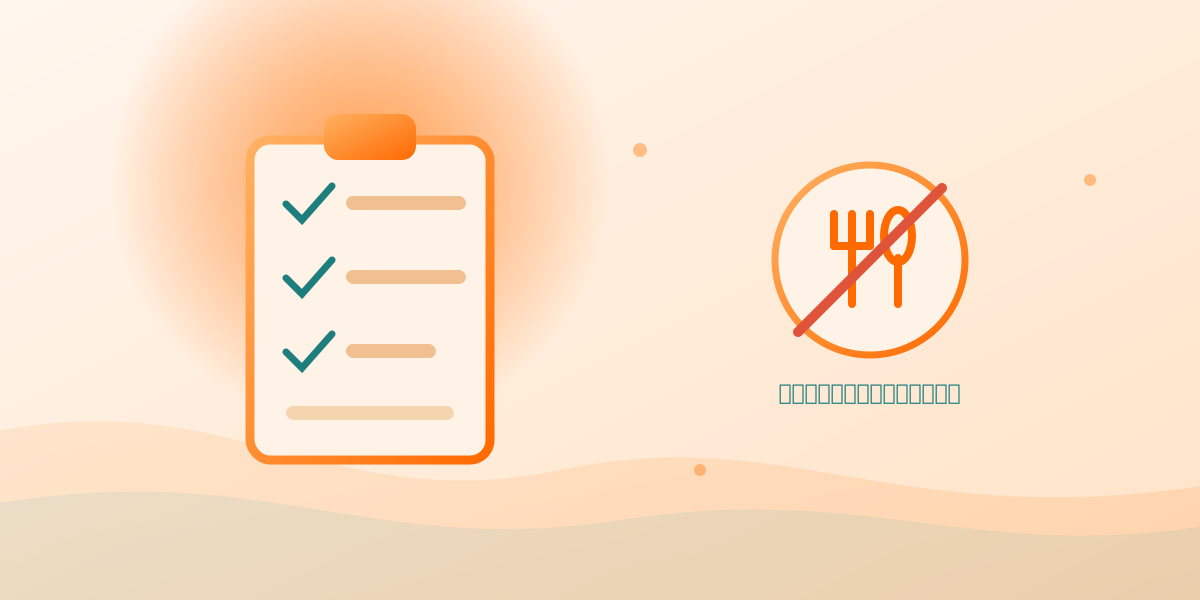
This is the most common question, and the answer is clear: no fasting. HIV testing looks for infection (antigen, antibody, or the virus’s genetic material), which is unrelated to blood sugar or fats from food — unlike some blood tests (glucose or lipids) that require fasting.
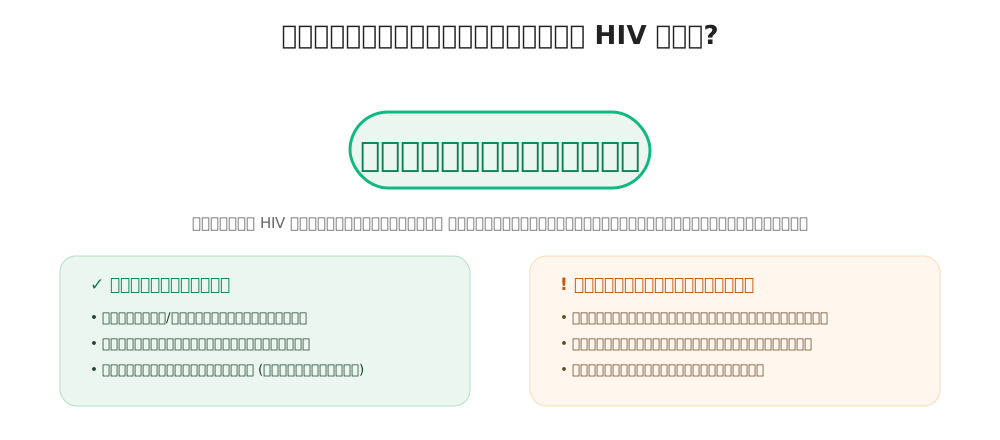
- Eat and drink normally — before and after.
- Go anytime — no need for an empty stomach in the morning.
- Regular medication — usually continue as prescribed; ask staff if unsure.
So focus not on fasting but on the “right timing” and “documents,” explained below. The table shows how HIV testing differs from blood tests that require fasting.
| Feature | HIV testing | Some blood tests (glucose/lipids) |
|---|---|---|
| Fasting needed? | No | Usually yes |
| When to go | Anytime | Often a fasting morning |
| What to mind | Window period / days since risk | Fasting for the required time |
| What it detects | Infection (antigen/antibody/genetic material) | Blood levels, e.g. glucose, lipids |
What to bring
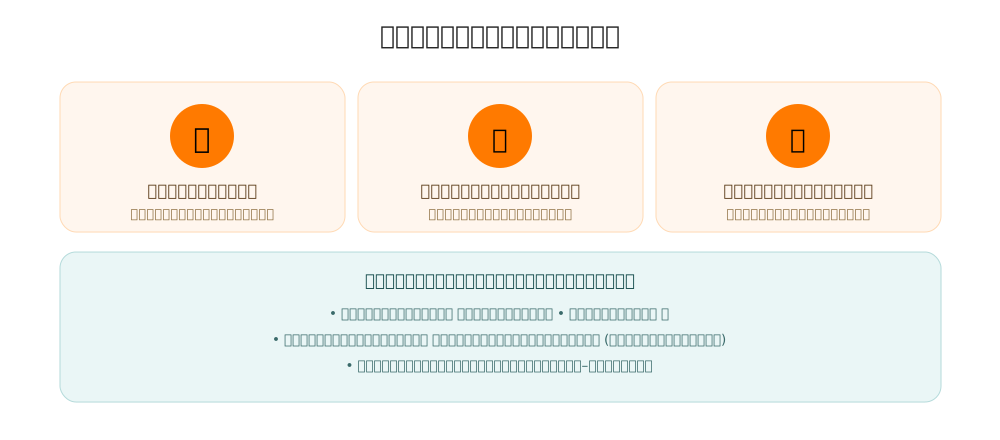
- National ID card — to verify free-testing eligibility (Thai nationals get two free tests a year).
- Risk information — e.g. the date of your most recent risk, to judge timing.
- Your questions — jot them down to ask staff.
Otherwise little special preparation is needed — dress comfortably and allow time for counselling. If you choose anonymous service, you may not need your real name; ask ahead. See locations at clinics and test sites.
When to test
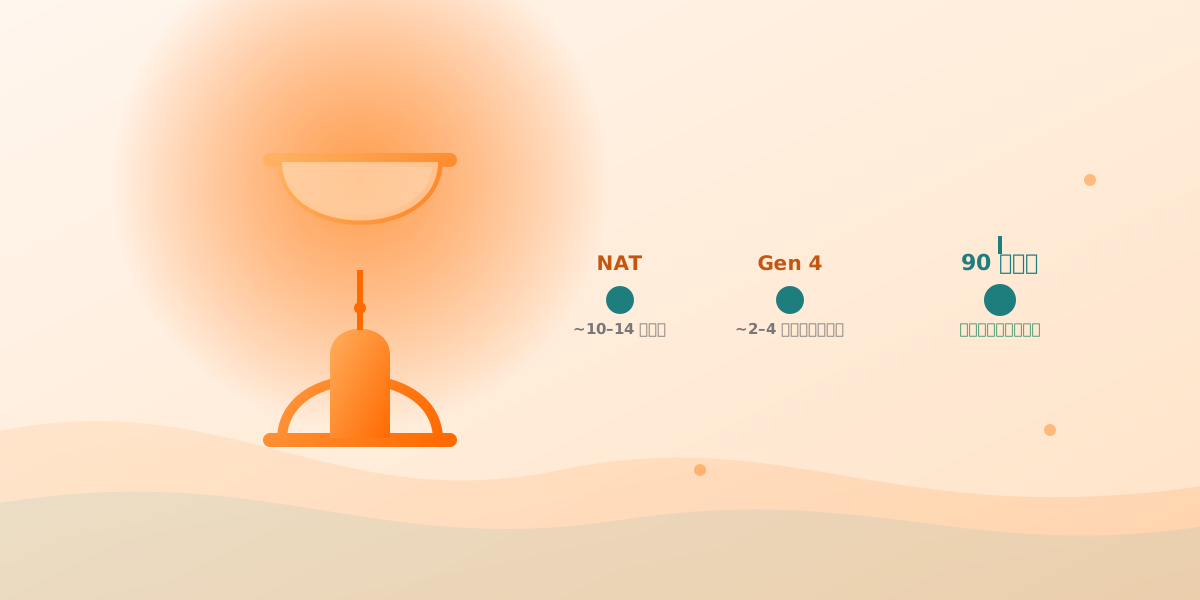
Far more important than fasting is “right timing,” since HIV has a window period where testing too early can miss infection:
- Count days since your most recent risk — to see if you’re past the method’s window.
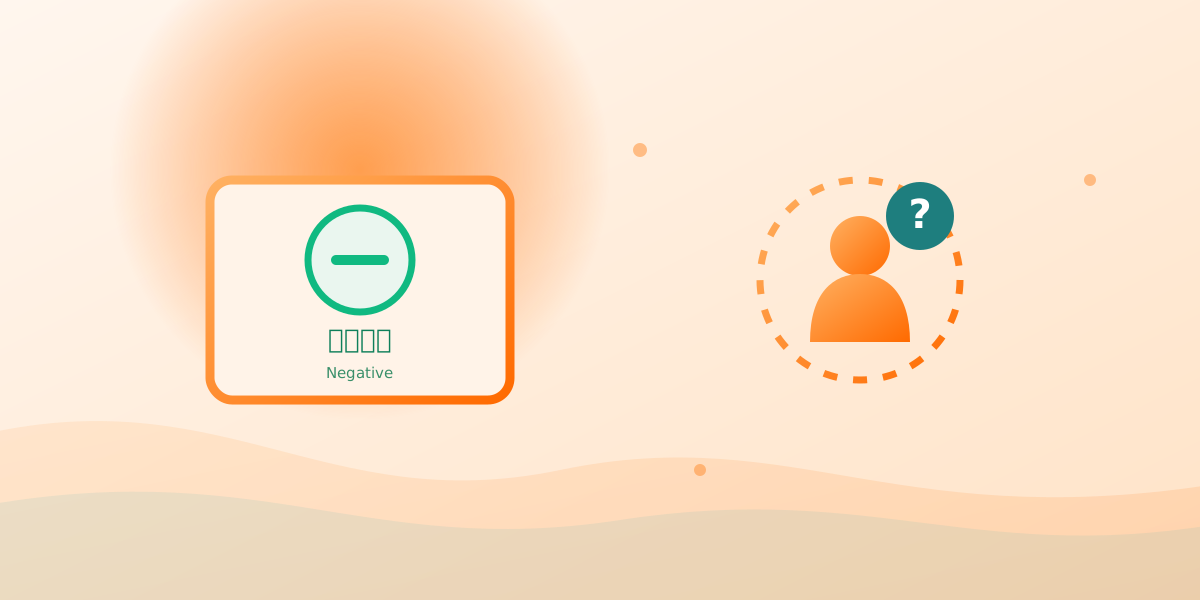
- If you tested early and it’s negative — retest and confirm at 90 days.
- Use a calculator — try the test date calculator.
Testing at the right time makes results more reliable and reduces unnecessary retesting.
Before, during, and after
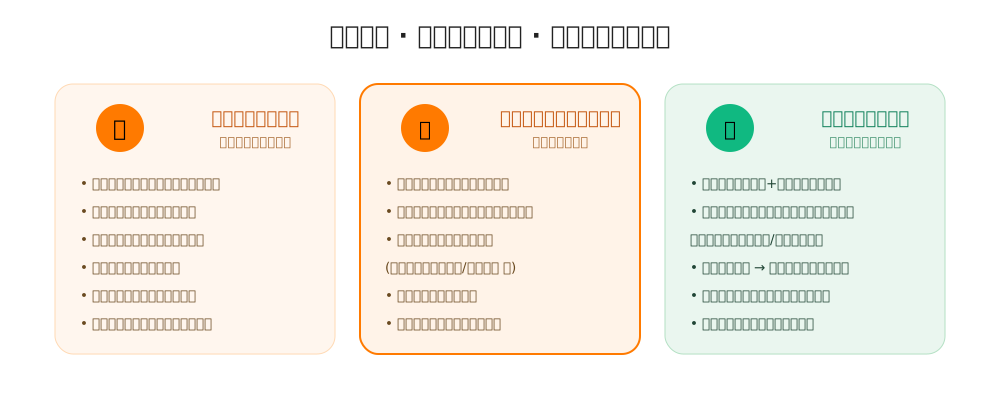
- Before — count days since your risk, bring your ID, don’t fast, prepare questions, and call ahead.
- During — usually pre-test counselling to assess risk, then sample collection (e.g. blood) and a short wait.
- After — receive your result with an explanation; a negative during a new risk window may need retesting, a positive gets confirmation, and you’ll get prevention or care advice.
The whole process is usually quick, with staff there to help — nothing to worry about.
Mind-set and questions to ask

Beyond items, mind-set matters. HIV testing is normal health care, nothing to be ashamed of, and knowing your result helps you plan — whatever it is. You might ask staff about your risk level, when to retest, how to prevent infection in future, or next steps if a result is abnormal. Jotting questions down makes counselling worthwhile, and talking to staff eases worry.
What you don’t need to worry about
- “You must fast” — false; no fasting needed.
- “Avoid certain activities for days before” — generally unnecessary; live normally.
- “Complex paperwork” — usually just an ID card.
- “Testing is long and complex” — usually quick, with staff to help.
Realising preparation is easy reduces worry and makes you more likely to test — a key step in caring for yourself.
Benefits of good preparation
Even though preparing for an HIV test is simple, a little preparation helps more than you’d think. It gives a more reliable result — testing past the window improves accuracy and reduces needless retesting; it makes counselling worthwhile — prepared questions get you what you need in one visit; it reduces worry — knowing what to bring and what to expect eases pre-test nerves; and it keeps things smooth and quick — bringing your ID and calling ahead smooths the visit. In short, good preparation doesn’t make testing harder — it makes everything easier and more reassuring, and helps you get the most from each visit, especially the chance to talk with staff, an often-overlooked part of care.
If exposed within 72 hours
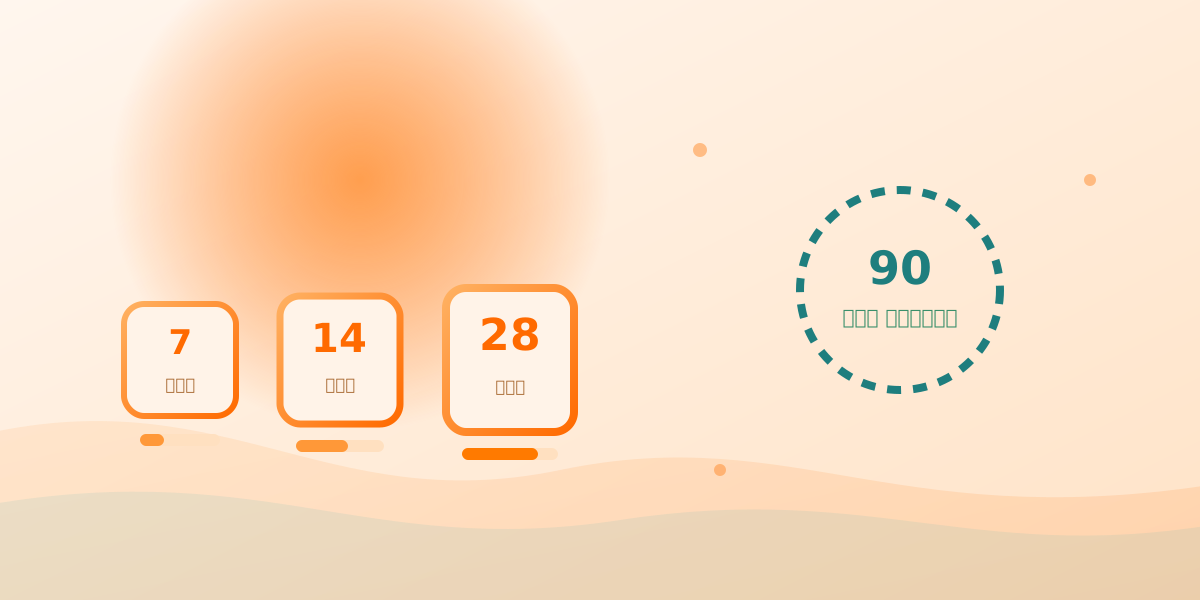
If you’ve had a high risk within 72 hours, preparing to test isn’t enough (still in the window). First, seek PEP, an emergency medication that lowers the chance of infection, started within 72 hours for 28 days, then plan testing.
Conclusion
Preparing for an HIV test is easier than you think — the answer to the popular question is “no fasting,” since HIV testing is unrelated to blood sugar or fats. Bring your ID card (to verify free testing), your most recent risk date, and your questions. More important than fasting is testing past the window period. The process is usually quick with staff to help — don’t over-worry, and if within 72 hours, ask about PEP first. Start at the calculator and see options at HIV testing.