What Is HIV? Understanding the Virus From Start to Finish
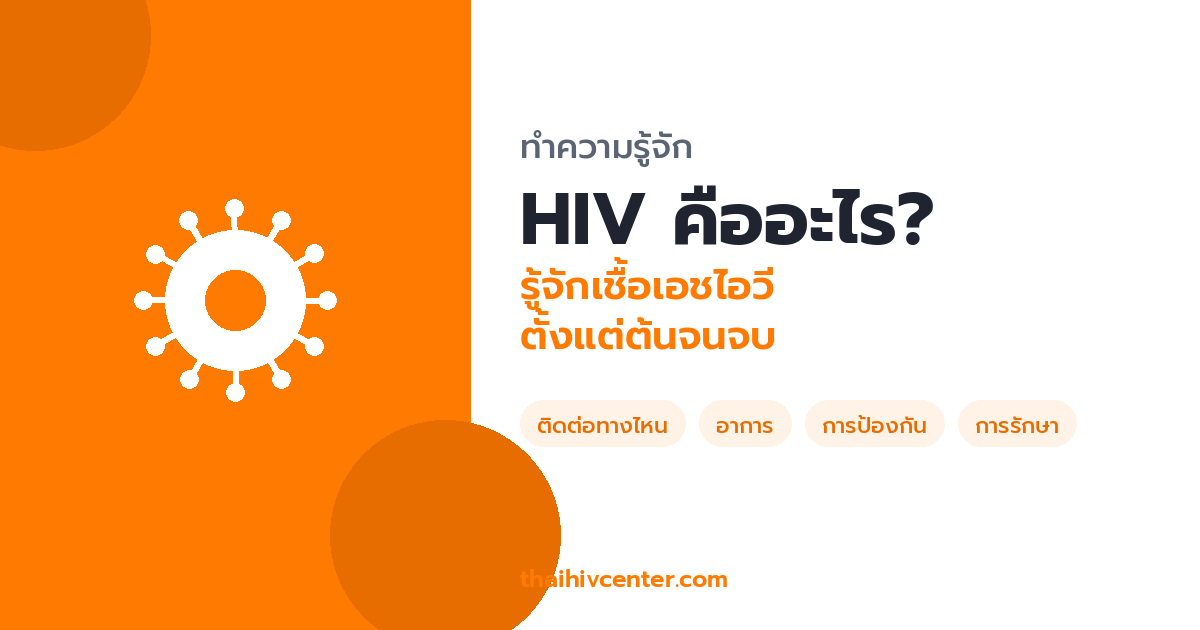
HIV is a virus that attacks the white blood cells at the heart of the immune system. Many people are still unsure what HIV is, how it spreads, and how it differs from AIDS. This article walks you through HIV step by step — from the nature of the virus and how it is transmitted, to its symptoms at each stage, testing, prevention, and today's effective treatments — so you can look after yourself and those around you with confidence and without fear born of misunderstanding.
What is HIV
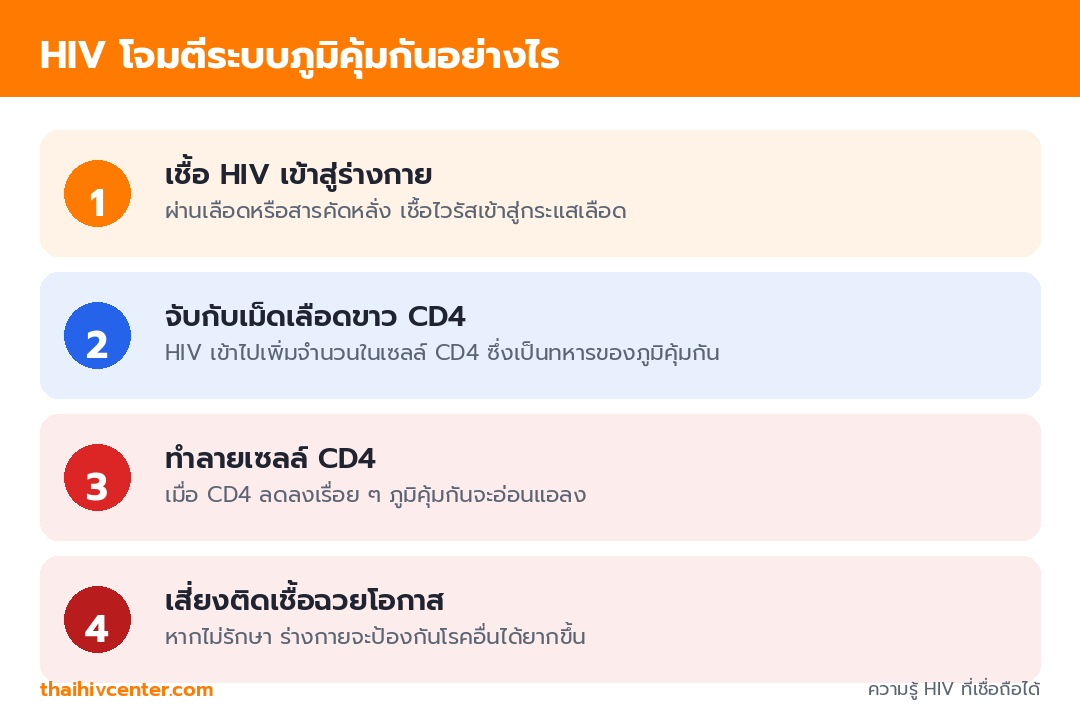
HIV stands for Human Immunodeficiency Virus. It is a retrovirus that targets a type of white blood cell called CD4, which acts like the commander of the immune system. Once in the body, the virus multiplies inside CD4 cells and gradually destroys them, so the CD4 count falls over time and immunity weakens step by step.
When immunity becomes weak enough, the body struggles to fight off other infections, raising the risk of opportunistic infections and complications. Importantly, however, testing positive for HIV today does not mean you have AIDS, and it is no longer the death sentence many once believed, because modern antiretroviral medicines control the virus effectively.
How HIV differs from AIDS
Many people use "HIV" and "AIDS" interchangeably, but they are not the same. HIV is the "virus," while AIDS (Acquired Immunodeficiency Syndrome) is the "set of conditions" in a late stage caused by severely weakened immunity. Someone with HIV does not necessarily develop AIDS — especially if diagnosed early and taking antiretroviral medicine consistently, they can stay healthy and live normally without ever reaching the AIDS stage. Read more in the difference between HIV and AIDS.
How HIV is transmitted
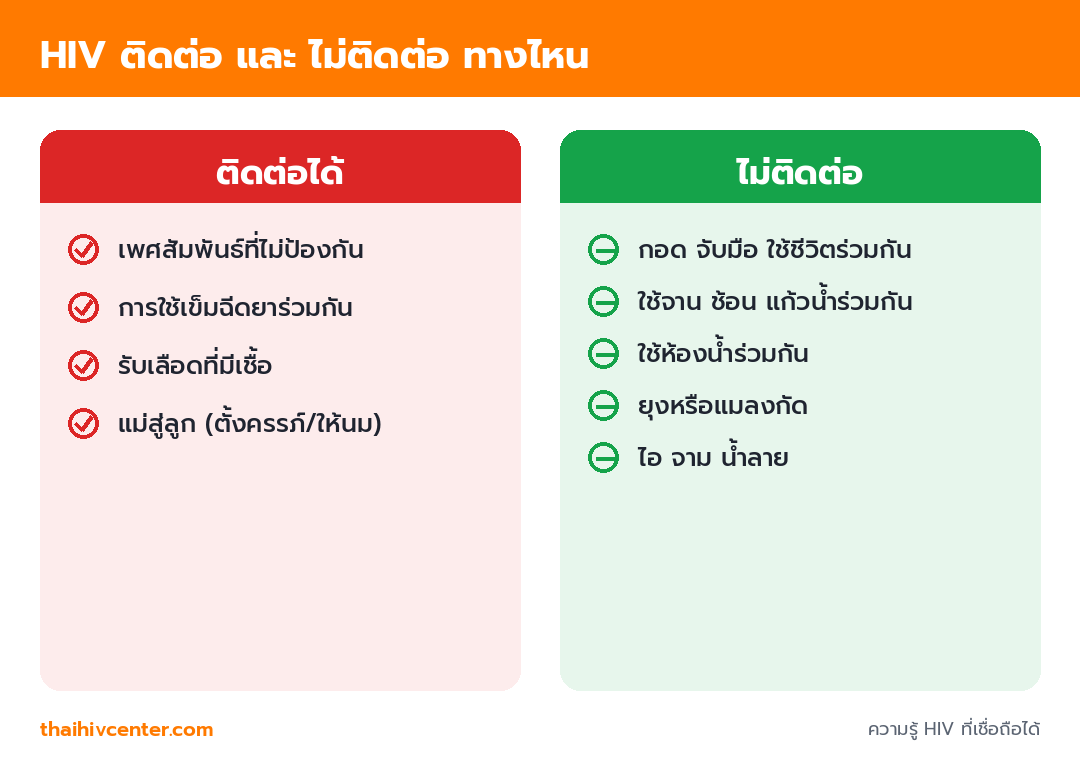
HIV spreads through certain body fluids of a person who has the virus at a high enough level: blood, semen, vaginal fluid, and breast milk. The main routes are:
- Unprotected sex — vaginal, anal, or oral without a condom, the most common route.
- Sharing needles or injecting equipment, which passes infected blood from one person to another.
- Receiving infected blood or blood products, now very rare because of rigorous blood screening.
- Mother to child during pregnancy, delivery, or breastfeeding — a risk that can be greatly reduced when the mother receives appropriate antiretroviral treatment.
Risk rises with a high viral load and with the presence of wounds or other sexually transmitted infections, which is why prevention matters so much.
How HIV is NOT transmitted
Misunderstanding about transmission is a major cause of stigma and discrimination against people living with HIV. The truth is that HIV does not spread through everyday contact. You cannot get it from hugging, shaking hands, or living with someone who has HIV; from sharing plates, spoons, cups, or toilets; from coughing, sneezing, or contact with saliva, tears, or sweat; or from mosquito or insect bites, because the virus cannot survive and multiply in insects. Understanding these facts helps us treat people with HIV equally and with dignity.
What are the symptoms of HIV
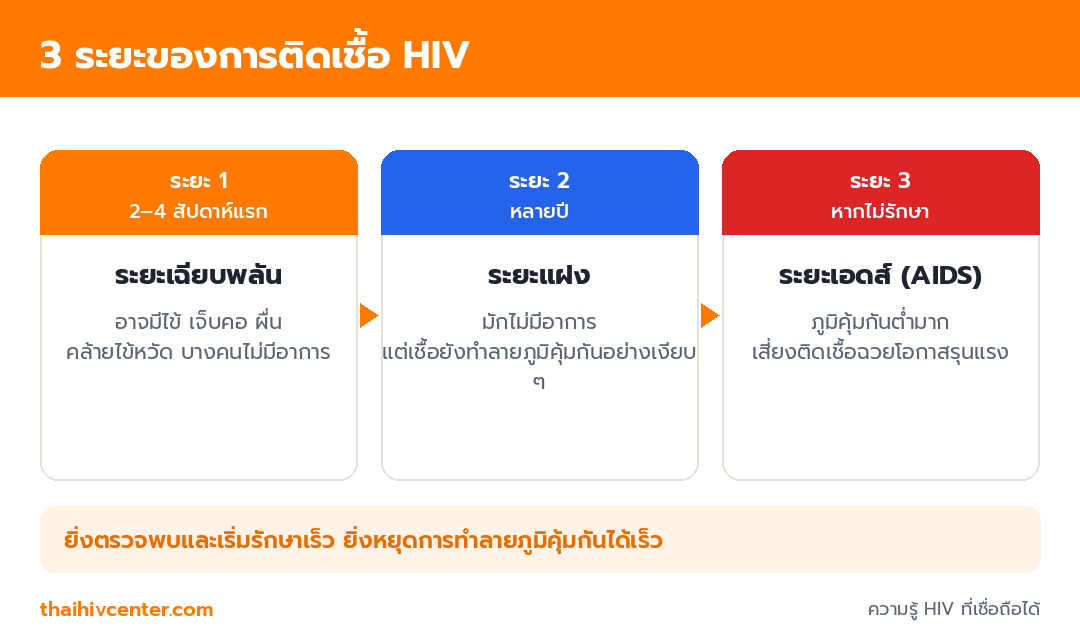
HIV symptoms vary by stage of infection, and many people have no clear symptoms at first. Thinking in stages makes the course of infection easier to understand. It is generally divided into three stages:
- Acute stage — in the first 2–4 weeks after infection, some people have flu-like symptoms such as fever, sore throat, body aches, swollen lymph nodes, or a rash, while others have none.
- Latent stage — the virus keeps multiplying and slowly damaging immunity, but people often have no symptoms and live normally, which can last for years, so many are unaware they are infected.
- AIDS stage — when immunity is severely weakened, the body becomes vulnerable to opportunistic infections and serious complications. This stage occurs only without appropriate treatment.
Because early symptoms are non-specific and may not appear at all, watching for symptoms alone is not enough. The only way to know your status for sure is a blood test.
How do you know if you have HIV
A blood test is the only way to know your HIV status accurately. Testing today is convenient, fast, and confidential, and some methods give results within minutes. After a risk, however, you need to wait a period called the "window period" for the result to be accurate. Read more in the HIV window period, and see an overview of all testing methods in HIV testing.
Thai nationals can test for HIV free twice a year under universal health coverage, and many friendly community clinics also offer free testing. To find a site near you, you can search for an HIV testing clinic that suits you.
How can HIV be prevented
The good news is that HIV can be prevented with several methods used together:
- Use condoms correctly every time you have sex, which reduces the risk of both HIV and other sexually transmitted infections.
- PrEP is pre-exposure medicine for people at risk, taken consistently to prevent infection in advance. Read more in what PrEP is.
- PEP is emergency medicine after exposure, which must start within 72 hours, suited to unexpected risks.
- Do not share needles, and get regular sexual-health check-ups.
Can HIV be treated
While there is still no cure for HIV, antiretroviral therapy (ART) controls the virus effectively. People who take their medicine consistently can suppress the virus to undetectable levels, letting immunity recover and keeping them as healthy as anyone else. Central to this is the idea of U=U (Undetectable = Untransmittable), which means that when the virus is suppressed to undetectable levels consistently, it is not passed on to others through sex. Read more in what U=U is, and see a treatment overview in HIV treatment.
The key is testing early and starting treatment early, because the sooner you start, the sooner you stop the damage to your immune system and the better your long-term quality of life.
Frequently asked questions about HIV
Are HIV and AIDS the same thing
No. HIV is the virus, while AIDS is a late-stage set of conditions caused by weakened immunity. Most people with HIV who stay in treatment never reach the AIDS stage.
Can you live a long time with HIV
With today's antiretroviral medicines, people who take their treatment consistently can have a life expectancy close to anyone else and a good quality of life.
Is living with a person who has HIV risky
No. Hugging, shaking hands, and sharing plates or toilets do not transmit HIV. It does not spread through everyday contact.
Does an HIV test hurt, and how fast are results
Most tests use a finger-prick or a blood draw and are not very painful. Some methods give results within minutes.
If I take PrEP, do I still need condoms
PrEP protects well against HIV but not other STIs, so using condoms as well is still worthwhile.
Summary
HIV is a virus that weakens the immune system, but with the right knowledge we can prevent, test for, and treat it effectively. Knowing your own status is the most important first step — whatever the result, there are always options to look after yourself. If you have a risk or simply want peace of mind, don't wait: find an HIV testing clinic near you and start caring for your sexual health today.