
Who should take PrEP
Who should take PrEP? Learn the groups and situations to consider it, how to decide whether it suits you, and the requirements before starting.
Who should take PrEP
PrEP is for people who do not have HIV but are at risk of getting it. Knowing whether you are in a group that should consider PrEP helps you make better decisions about your health.
A simple principle
PrEP suits people who may be exposed to HIV on an ongoing or regular basis, whether through sex or sharing needles.
Not just one group
PrEP is not limited to any single group — anyone who feels they are at risk and wants extra protection can consider it and ask for advice. See the full PrEP overview at what is PrEP.
For people at ongoing risk
PrEP is designed for people with an ongoing risk, rather than a one-time risk.
What an ongoing risk means
It means situations where you may be exposed to HIV repeatedly, such as regularly having sex without protection, or having a partner who is at risk.
Different from an emergency
If you have a one-off, unexpected risk, PEP is more of an emergency option, but if your risk is ongoing, PrEP fits better because it protects in advance.
You do not have to wait for high risk
You do not have to wait until your risk is very high to start PrEP. If you feel you may be exposed from time to time, starting protection early is a good choice for your health.
People with an HIV-positive partner
People with a partner who has HIV are a group that should especially consider PrEP.
When to consider it
- your partner has HIV and is still detectable or has just started treatment
- you are unsure of your partner's viral level
- you want added confidence in the relationship
When a partner is undetectable
If a partner with HIV is on treatment and undetectable, they do not pass HIV on sexually, under U=U, but some couples still choose PrEP for peace of mind, which can be a shared decision.
Planning for children safely
For couples where one partner has HIV and who want children, PrEP is one of the tools that helps plan safely, together with the positive partner's treatment. Talk to a provider to plan what fits.
Men who have sex with men
Men who have sex with men are a group for whom PrEP is clearly beneficial, especially when there is a risk.
When to consider it
- having sex without condoms with someone whose status is unknown
- having several partners
- having had a recent sexually transmitted infection
Flexible options
This group has both daily and on-demand options to choose from by lifestyle, so protection can fit each person.
Multiple partners or unknown status
People with several partners, or partners whose HIV status is unknown, should also consider PrEP.
Why consider it
When you do not know a partner's status, or you have several partners, the chance of being exposed to HIV rises, and PrEP adds protection in these situations.
Protection that does not rely on others
An advantage of PrEP is that you control your own protection, without depending on a partner's status or disclosure, which brings more confidence.
People who inject drugs
People who inject drugs and may share needles are another group that should consider PrEP.
The risk from sharing needles
Sharing needles or injecting equipment lets potentially infected blood enter the body directly, which carries a high risk of getting HIV.
PrEP as part of care
PrEP helps lower the risk in this group and is often used alongside other harm-reduction services, such as access to clean needles. Talking to a provider helps plan well-rounded protection.
Access without judgement
Many services offering PrEP to people who inject drugs are friendly and non-judgemental. The aim is to support health and reduce risk, not to blame, so you can use them with peace of mind.
Other situations to consider PrEP
Besides the groups mentioned, there are other situations where PrEP is worth considering.
Situations to consider
- having had a recent STI
- using PEP often, which suggests an ongoing risk
- doing sex work
- being a transgender person at risk of HIV
Listen to your own signals
If you find yourself worrying about risk often, or you are in situations where you may be exposed, that can be a sign PrEP suits you, and it is worth talking to a provider to assess.
PrEP can change with your life
Your risk changes across life, and you can start, stop, or restart PrEP as your situation changes, with a provider's help, which makes PrEP flexible and suited to real life.
A personal decision
The decision to use PrEP is personal, and no one should feel judged.
Nothing to be ashamed of
Choosing PrEP is looking after your own health responsibly — not something to feel ashamed about, just like any other part of health care.
You know yourself best
You are the person who understands your own risk and lifestyle best, and talking openly with a provider helps you decide whether PrEP suits you, without judgement.
Your right to look after yourself
Choosing PrEP is your right to look after your own health. Whatever your gender, age, or lifestyle, everyone has the right to access information and services to protect themselves from HIV.
Requirements before starting
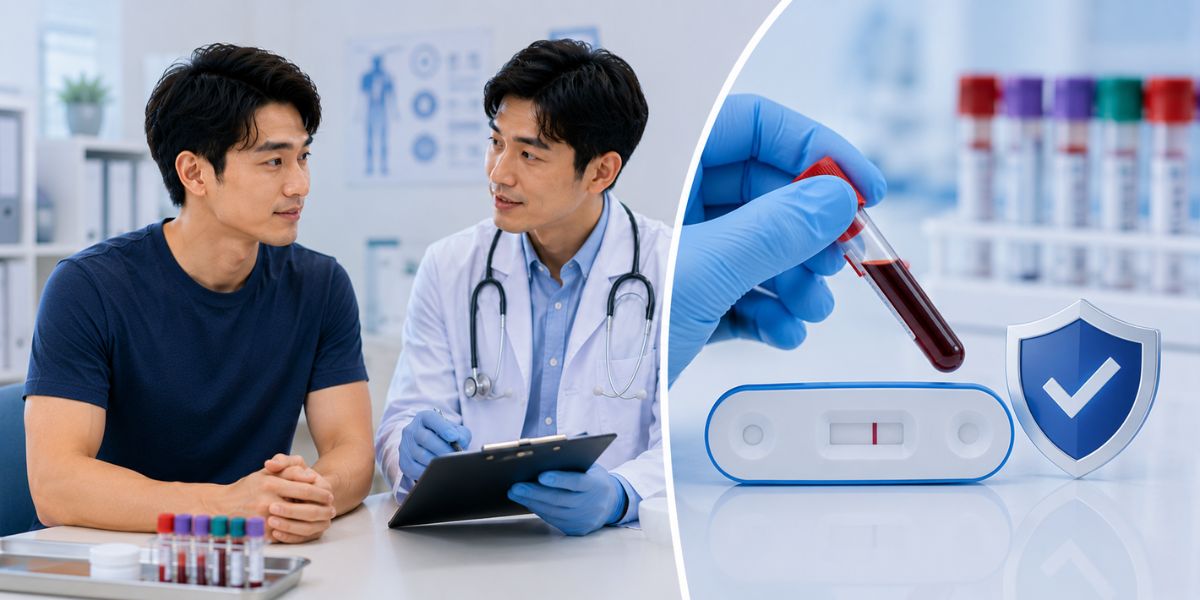
If you think PrEP is right for you, there are important requirements before starting.
You must not have HIV
PrEP is for people who do not have HIV, so you must test for HIV first and be negative before you can start.
Baseline health checks
Besides an HIV test, a provider may check kidney function and test for other STIs, for safety and to plan your care. Read the detail on starting PrEP at what is PrEP.
How to know if it is right for you
If you are still unsure whether PrEP is right for you, talking to a provider is the best way to find out.
How a provider helps
Staff can assess your risk fairly and advise whether PrEP is suitable, as well as help choose a form that fits your lifestyle.
No question is off-limits
You can ask about anything that concerns you — effectiveness, side effects, cost, and how to use it. See services and how to get PrEP at where to get PrEP and how much it costs.
In summary
PrEP is for people who do not have HIV but have an ongoing risk, such as having a partner with HIV, having sex without protection, having several partners, sharing needles, or using PEP often. However, PrEP is not limited to any single group — anyone who feels they are at risk and wants protection can consider it.
The decision to use PrEP is personal and nothing to be ashamed of. The key is to test for HIV before starting and to talk to a provider to assess whether it suits you.
If you want to know whether PrEP is right for you or want to start, find and book a clinic at Love2Test.
References
Based on guidance from international and national health authorities.