What Is PrEP? HIV Prevention Medication Taken Before Exposure — Who Is It For?
In recent years, HIV prevention has more options. One is PrEP, a medication that helps prevent HIV infection before a risk. Many have heard the name but aren’t sure what it is, how it works, or who it’s for.
This article explains what PrEP is, how it works, who it’s for, how it differs from PEP, and how to start if interested. It draws on WHO, U.S. CDC, and Thai Department of Disease Control guidance. See the prevention overview at HIV prevention.
What is PrEP?
PrEP stands for Pre-Exposure Prophylaxis — medication that HIV-negative people take to prevent infection before a risk. Taken consistently as prescribed, it builds protection in the body, greatly lowering the chance of infection.
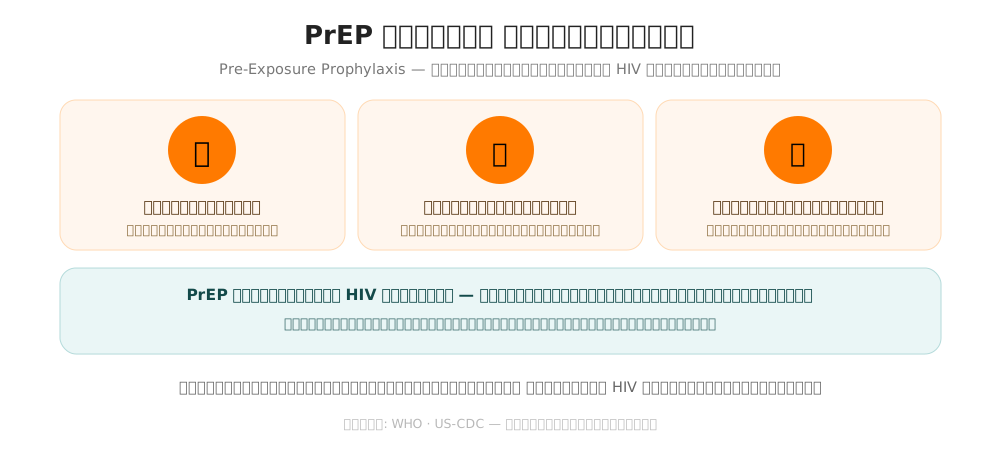
| Aspect | Detail |
|---|---|
| When used | Before a risk (prevention in advance) |
| How taken | Consistently as a doctor advises |
| Protects against | HIV only |
| Before starting | An HIV test (negative) and health assessment |
| While using | Regular monitoring and doctor visits |
Key point: PrEP is prevention before a risk — unlike treatment or post-exposure emergency medication — and must be taken consistently to work. See more at PrEP for HIV.
How does PrEP work?
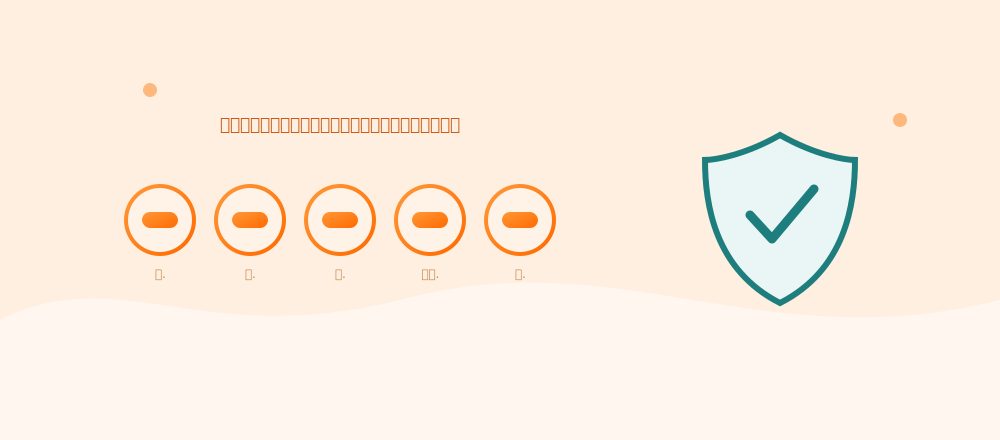
- Consistency is key — it works well when taken continuously as advised.
- Highly effective when used correctly — consistent PrEP greatly lowers HIV risk.
- Not a one-time pill — it must be taken throughout the period of risk.
So PrEP use must be under a doctor’s care to ensure correct use and maximum benefit.
Who is PrEP for?
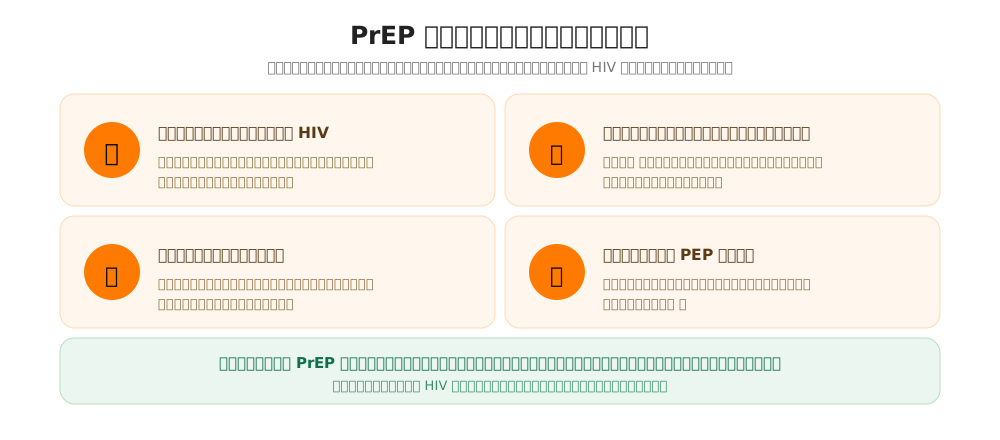
- Having a partner with HIV — especially if the partner isn’t yet virally suppressed by treatment.
- Frequent higher-risk sex — e.g. inconsistent condom use or multiple partners.
- Sharing injecting equipment — those at risk from shared needles or equipment.
- Frequent PEP use — those repeatedly needing emergency medication may benefit from prevention in advance.
Still, deciding whether to start PrEP should involve a doctor to assess suitability individually, since risk and health differ per person.
How does PrEP differ from PEP?
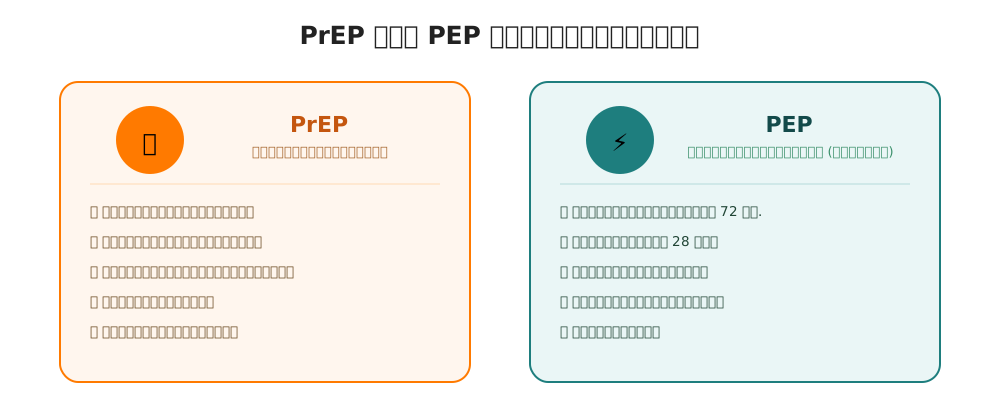
- PrEP (before risk) — used before a risk, taken consistently, for those at ongoing risk; prevention planned in advance.
- PEP (after risk) — used after a risk within 72 hours, taken for 28 days, for emergencies; the sooner the better.
Simply put, PrEP is advance prevention for those who know they’re at ongoing risk, while PEP is emergency medication after a recent risk. See more on PEP.
How to start PrEP
- HIV test before starting — confirm you don’t already have HIV, since PrEP prevents rather than treats.
- Health assessment — a doctor assesses suitability and overall health first.
- Regular monitoring — see a doctor and get follow-up tests as scheduled.
- Advice on correct use — for maximum effectiveness.
If interested in PrEP, start by consulting a doctor or a clinic that provides it for advice suited to you. Remember HIV testing needs no fasting; see testing at HIV testing.
Does PrEP protect against other STIs?
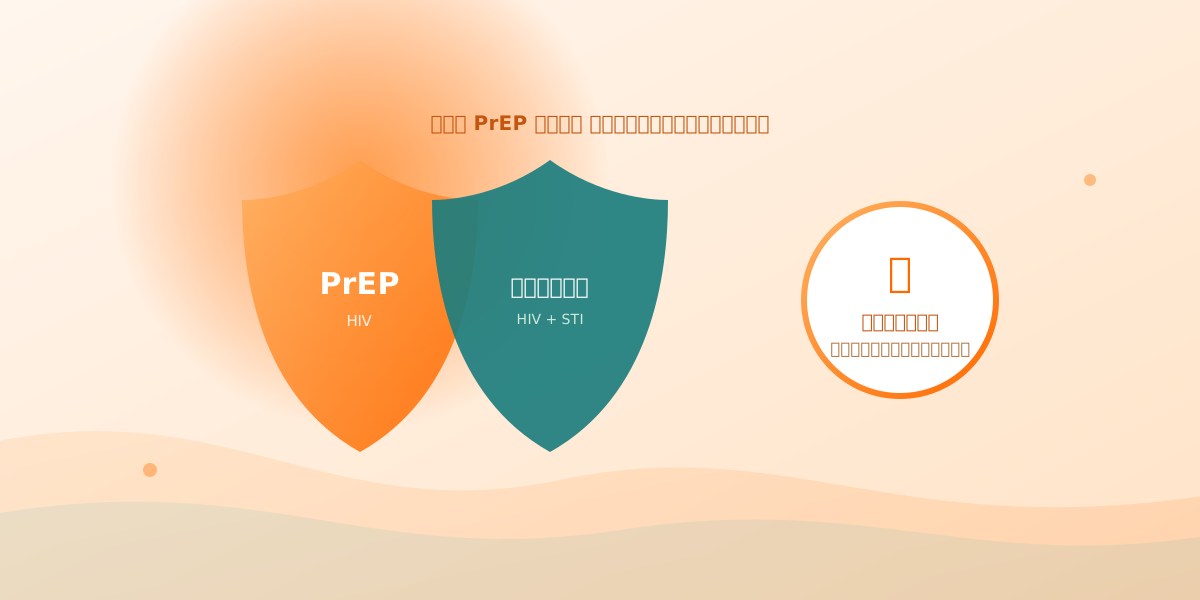
Crucially, PrEP protects against HIV only — not other STIs like syphilis or gonorrhoea. So use PrEP together with condoms for broader protection; regular sexual-health check-ups still matter; and PrEP is one prevention tool, not a replacement for all others. Understanding this limit helps you use PrEP well and plan complete sexual-health care.
Do you need PrEP forever?
A common question is whether, once you start PrEP, you must take it for life. The answer is not necessarily, since PrEP suits periods of ongoing risk. Use it during periods of risk — while risk remains, continuing PrEP protects you; if your risk changes — say your life circumstances change — you might consider stopping, but under a doctor’s guidance; and don’t stop abruptly on your own — starting or stopping PrEP should involve a doctor for safety and suitability. So PrEP is a flexible tool you can adapt to your life stage and risk level, and periodic doctor visits help assess whether to continue or adjust to fit your current situation best.
Benefits of PrEP
Beyond lowering the chance of HIV infection, PrEP has several benefits for those at ongoing risk. It adds confidence — helping people at risk feel more at ease and less worried about infection; it lets you plan prevention in advance — an option for those who want to control their own prevention rather than rely on repeated emergency medication; it brings you into health care — since regular doctor visits and monitoring mean consistent sexual-health care; and it complements other prevention — used with condoms, protection covers both HIV and other STIs. Still, these benefits only come with correct, consistent use under a doctor’s care. Understanding both benefits and limits helps you decide whether PrEP suits you — and if unsure, consulting a doctor is the best starting point.
What to know before using PrEP
- Take it consistently — inconsistent use lowers effectiveness.
- Monitoring is needed — for health and periodic status checks.
- Possible side effects — like any medication; ask a doctor about them.
- Not for everyone — suitability depends on individual risk and health.
A doctor helps you understand whether PrEP suits you and how to use it best — without worrying about using it wrongly.
Conclusion
PrEP is a medication taken to prevent HIV before a risk. Taken consistently as prescribed, it greatly lowers the chance of infection. It suits those at ongoing risk — a partner with HIV, frequent higher-risk sex, or shared injecting equipment. PrEP differs from PEP in being used before a risk and taken continuously, while PEP is emergency medication after a risk. Crucially, PrEP must be used under a doctor’s care, with an HIV test before starting and regular monitoring, and it protects against HIV only, so use it with condoms. If interested, consult a doctor or clinic. See more at PrEP for HIV and the overview at HIV prevention.