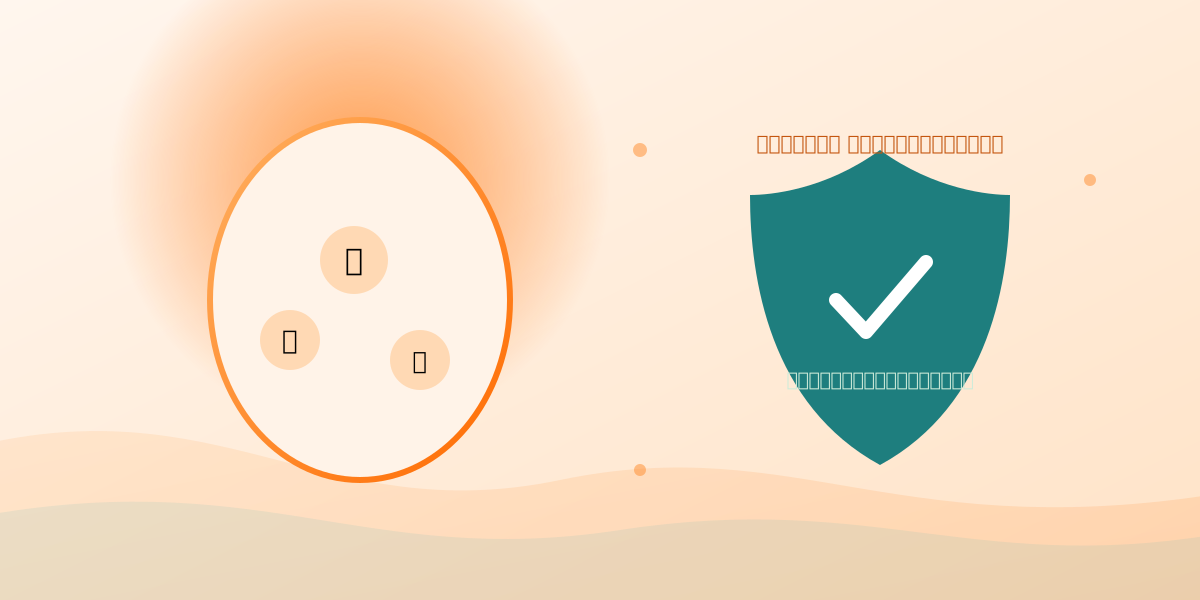
Already on PrEP — Do You Still Need Condoms? Analyzing STI Risk
When starting PrEP to prevent HIV, many ask, “Since PrEP protects against HIV, do I still need condoms?” This is an important question, and the short answer is you should still use condoms, because PrEP and condoms protect against different things and complement each other.
This article analyzes what PrEP protects and doesn’t, why STI risk remains even on PrEP, and why using PrEP with condoms gives the broadest protection. It draws on WHO, U.S. CDC, and Thai Department of Disease Control guidance. See condoms and PrEP for HIV for more.
What PrEP protects and doesn’t
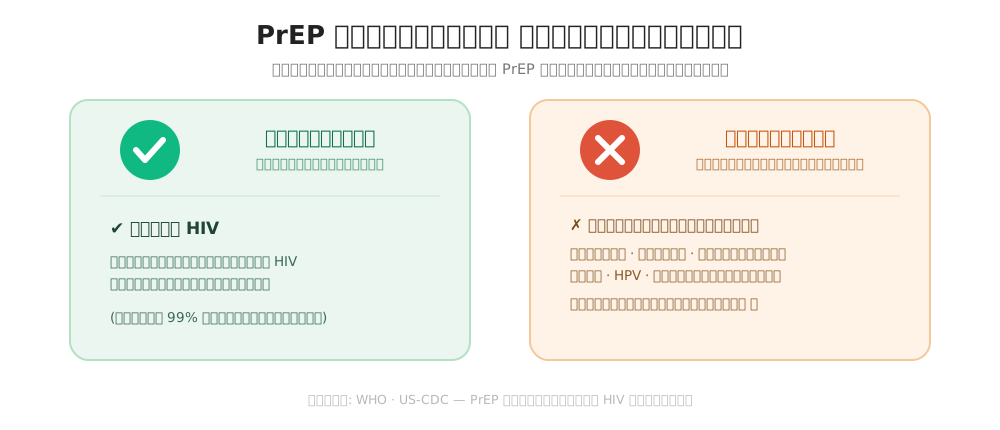
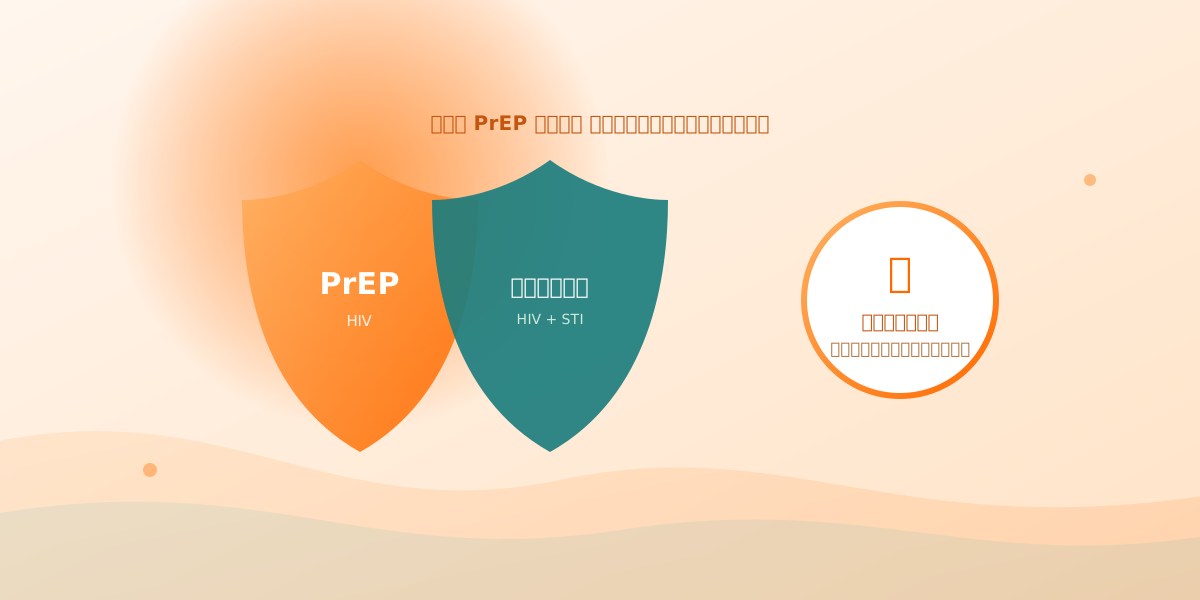
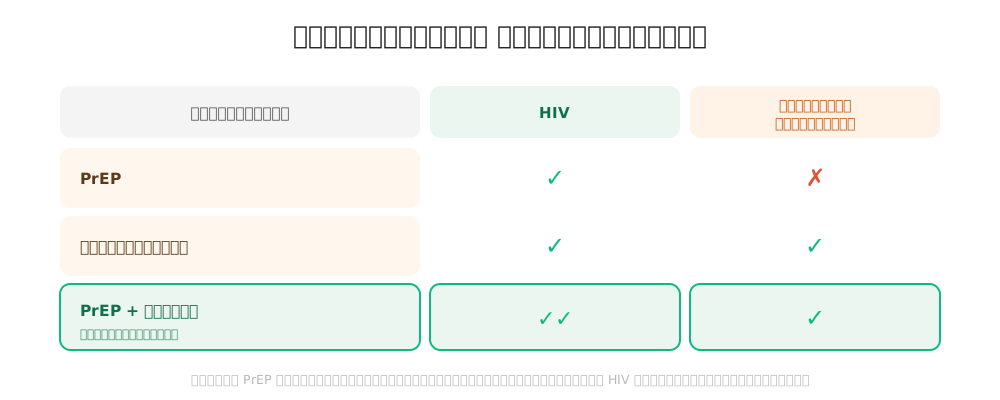
| Method | HIV | Other STIs |
|---|---|---|
| PrEP | ✓ Protects | ✗ Doesn’t protect |
| Condoms | ✓ Help protect | ✓ Help protect |
| PrEP + condoms | ✓ Broadest | ✓ Also protects against STIs |
- PrEP protects against HIV — taken consistently, it greatly lowers HIV risk.
- PrEP doesn’t protect against other STIs — such as syphilis, gonorrhoea, and others.
- Condoms help against both HIV and other STIs — filling the gap PrEP doesn’t cover.
So PrEP and condoms don’t replace each other — they complement each other, and using both gives the broadest protection.
Why still use condoms?
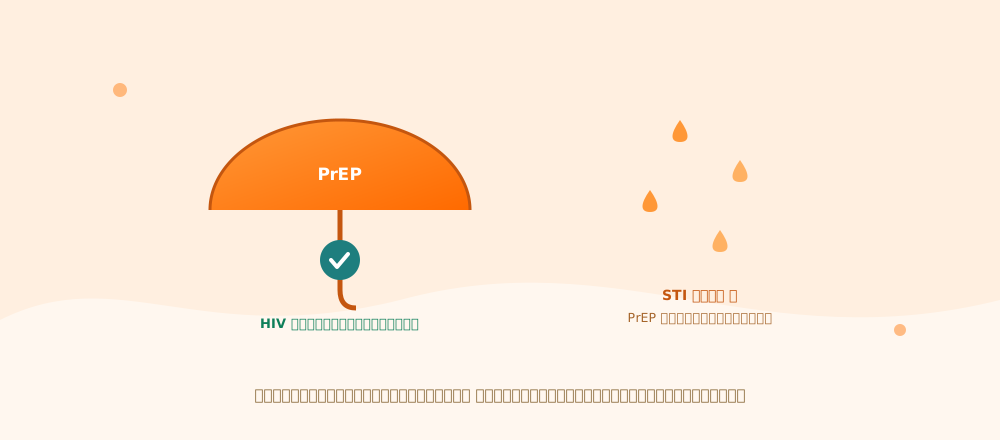
The main reason is that PrEP is designed to prevent HIV specifically and doesn’t cover other STIs. STIs PrEP doesn’t protect against include syphilis, gonorrhoea, chlamydia, herpes, HPV, and others, which can still be transmitted while on PrEP. So condoms still play an important role by reducing the risk of these infections PrEP doesn’t cover.
Analyzing STI risk
On PrEP, HIV risk drops greatly, but the risk of other STIs remains without added protection. Understanding this helps you plan complete sexual-health care. HIV risk drops greatly with consistent PrEP; other STI risk remains without condoms; and broad protection means considering both risks together. So focusing only on HIV risk may overlook others; good planning covers both HIV and other STIs.
How PrEP + condoms complement each other
- PrEP covers HIV — prevents HIV infection when taken consistently.
- Condoms cover other STIs — reduce the risk of STIs PrEP doesn’t cover.
- Together = broadest — both HIV and other-STI protection at once.
This is why health guidance recommends using PrEP with condoms rather than one replacing the other, since each has different strengths.
STIs PrEP doesn’t protect against
To make it clearer, here are STIs PrEP doesn’t cover, and why protection is still needed. Syphilis — an STI that can progress if untreated, still transmissible on PrEP; gonorrhoea and chlamydia — common STIs PrEP doesn’t prevent; genital herpes — a virus spread by contact, where condoms reduce risk; HPV — a virus linked to warts and some cancers, not covered by PrEP; and other STIs — still transmissible sexually and not prevented by PrEP. Some of these may show no clear symptoms early on, so they can spread unknowingly. Using condoms and screening regularly reduces risk and enables early detection — which is why HIV-only protection isn’t enough for overall sexual health.
Common misconceptions
PrEP and condoms are often misunderstood in ways that skew risk assessment. To clarify: “on PrEP, you’re safe from everything” is false — PrEP covers HIV only, not other STIs; “condoms aren’t needed on PrEP” is false — condoms still protect against what PrEP doesn’t cover and add a layer of HIV protection; “no symptoms means no infection” is false — some STIs show no clear symptoms, so screening matters; and “using condoms means no need to test” is false — condoms greatly reduce risk but not 100%, so periodic testing still helps. Understanding these helps you plan complete sexual-health care and not be careless about risks PrEP doesn’t cover.
Regular STI screening
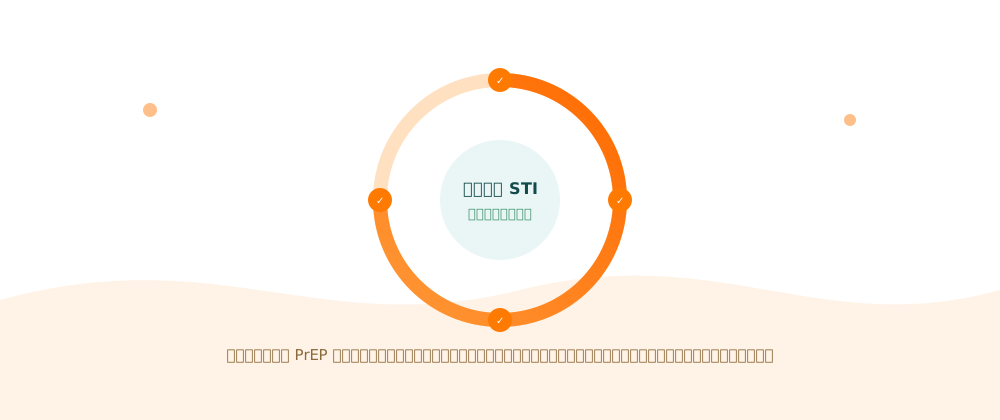
One advantage of PrEP is that you already see a doctor and get follow-up as scheduled, and these often include STI screening at the same time, so any STI can be found and treated early. Regular screening is part of complete sexual-health care.
Talking with a partner about protection
Good protection doesn’t rest on you alone — it involves communicating with a partner too. Open conversation helps both people understand and plan health care together. Talk about protection — share what methods each uses, such as PrEP, condoms, or screening; be on the same page about risk — knowing each other’s status and risk helps you decide well; agree together — plan protection both are comfortable with and can actually follow; and support testing — screen together regularly to look after both of you. Open, non-judgmental communication makes protection more effective and helps both feel safe and cared for. Using PrEP with condoms plus talking with a partner is a complete approach for both body and relationship.
On PrEP — how to look after yourself
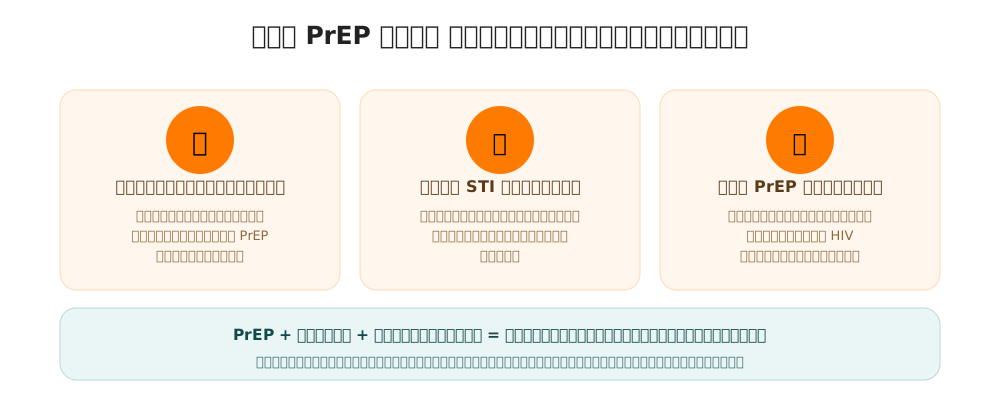
- Use condoms too — protect against other STIs PrEP doesn’t cover.
- Screen for STIs regularly — as your doctor advises.
- Take PrEP consistently — to keep HIV protection high.
- Consult a doctor — to plan for your own risk and lifestyle.
Combining these three is the most complete, balanced approach to sexual-health care.
Conclusion
On PrEP, you should still use condoms, because PrEP protects against HIV only — not other STIs like syphilis, gonorrhoea, and others. PrEP and condoms don’t replace each other but complement each other: PrEP covers HIV and condoms cover other STIs, so using both gives the broadest protection. Regular STI screening also helps find and treat infections early. The complete approach is taking PrEP consistently, using condoms too, and screening regularly, plus consulting a doctor to plan for you. See more at condoms and PrEP for HIV.