How to Take Daily PrEP: Taking It for About 99% Effectiveness
PrEP is a medication that helps prevent HIV before a risk, and the most common way to take it is daily — the schedule with the most research support. Many wonder how to take it for good results, and what the “99%” figure actually means.
This article explains how to take daily PrEP correctly, why consistency is key to effectiveness, how long until full protection, and what monitoring is needed. It draws on WHO, U.S. CDC, and Thai Department of Disease Control guidance. If PrEP is new to you, first read PrEP for HIV.
What is daily PrEP?
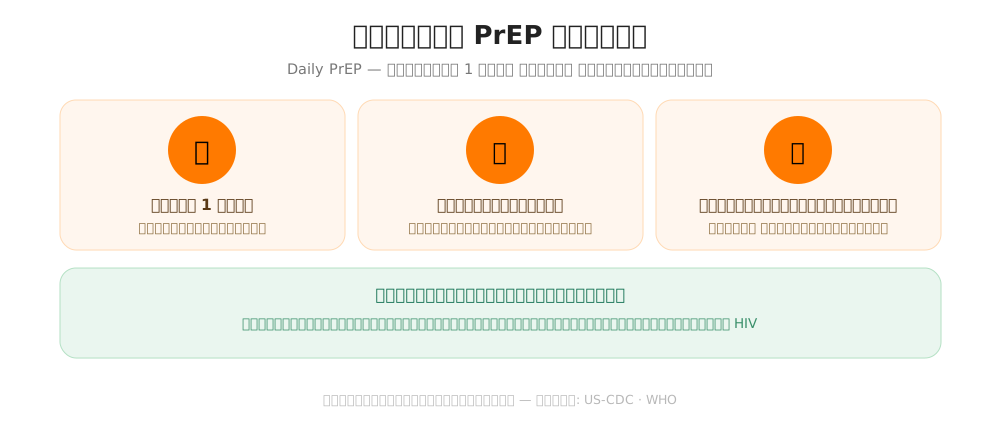
Daily PrEP means taking one PrEP pill every day, continuously, during periods of HIV risk. Taken consistently, the medication keeps a sufficient level in the body to prevent HIV from taking hold. It’s the standard, most-studied approach and suits everyone at risk. See the prevention overview at HIV prevention.
How to take it
| Aspect | Detail |
|---|---|
| Amount | One pill every day |
| Time | Same time each day helps you not forget |
| Food | With or without food, as your doctor advises |
| Continuity | Continue throughout the period of risk |
- One pill a day — every day without skipping.
- Same time daily — a fixed time makes it easy to remember.
- With or without food — as your doctor advises.
The most important thing is consistency — take it every day as prescribed for maximum HIV protection.
Why about 99% effective?
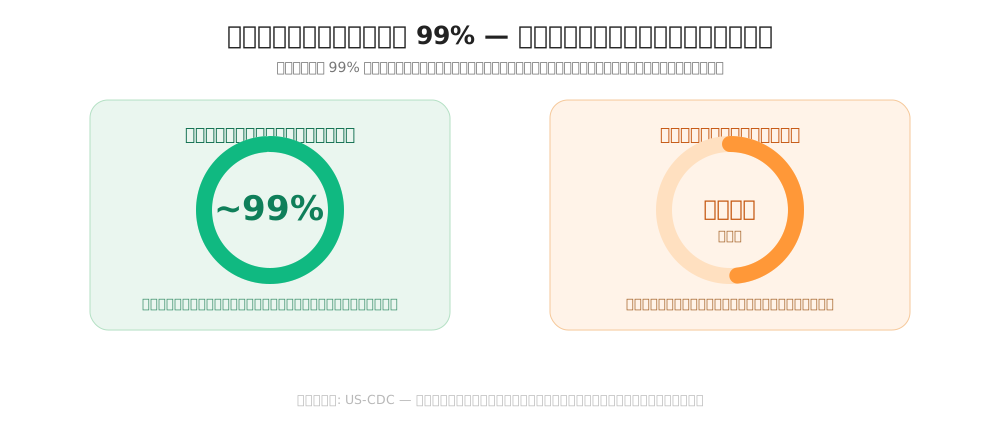
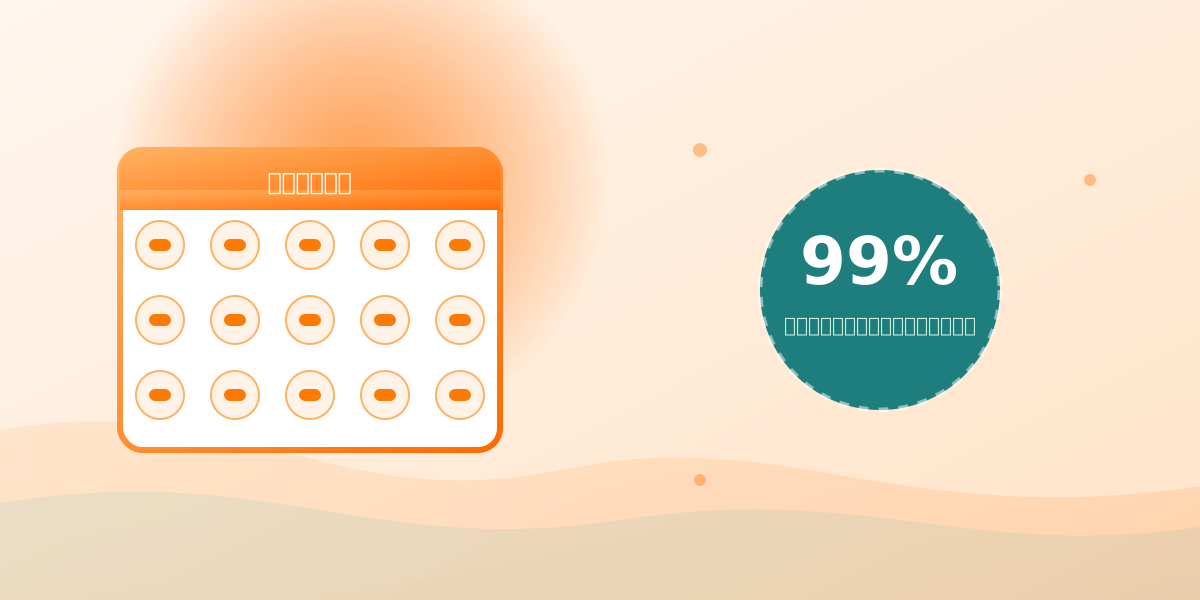
- 99% is with consistent use — this figure reflects taking it every day, not on and off.
- Inconsistent use lowers effectiveness — frequent missed doses clearly reduce protection.
- Also reduces risk from shared injecting — less than for sex, but still a significant reduction.
Simply put, PrEP’s effectiveness depends mainly on consistency — the closer to as prescribed, the higher the protection.
How long until full protection?
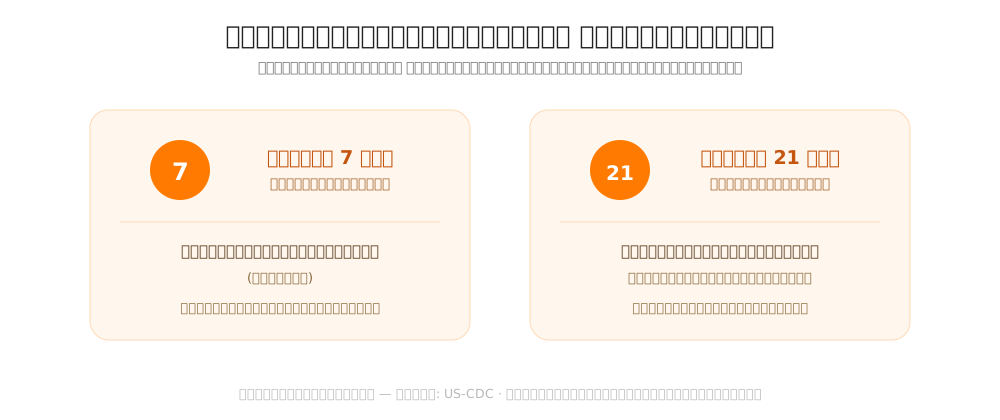
- Receptive anal sex — full protection at about 7 days of daily use.
- Vaginal sex and shared injecting — full protection at about 21 days of daily use.
So early after starting, use other protection too, such as condoms, until full protection is reached, and ask your doctor about the timing for your situation.
What if you miss a dose?
- Take it as soon as you remember, if it’s near your usual time.
- If it’s almost time for the next dose, don’t double up.
- If you miss often or are unsure, ask your doctor for advice.
An occasional miss can happen, but frequent misses affect effectiveness, so find ways to stay consistent and always ask your doctor with any doubt. Don’t adjust your dose on your own.
What monitoring is needed?
- HIV test before starting — confirm you don’t already have HIV, since PrEP prevents rather than treats.
- Periodic HIV tests — follow-up as your doctor schedules while on PrEP.
- Other health checks — a doctor may check body function periodically for safety.
- Keep appointments — to assess suitability and adjust care.
This monitoring keeps PrEP use safe and effective. See HIV testing at HIV testing.
PrEP protects against HIV only
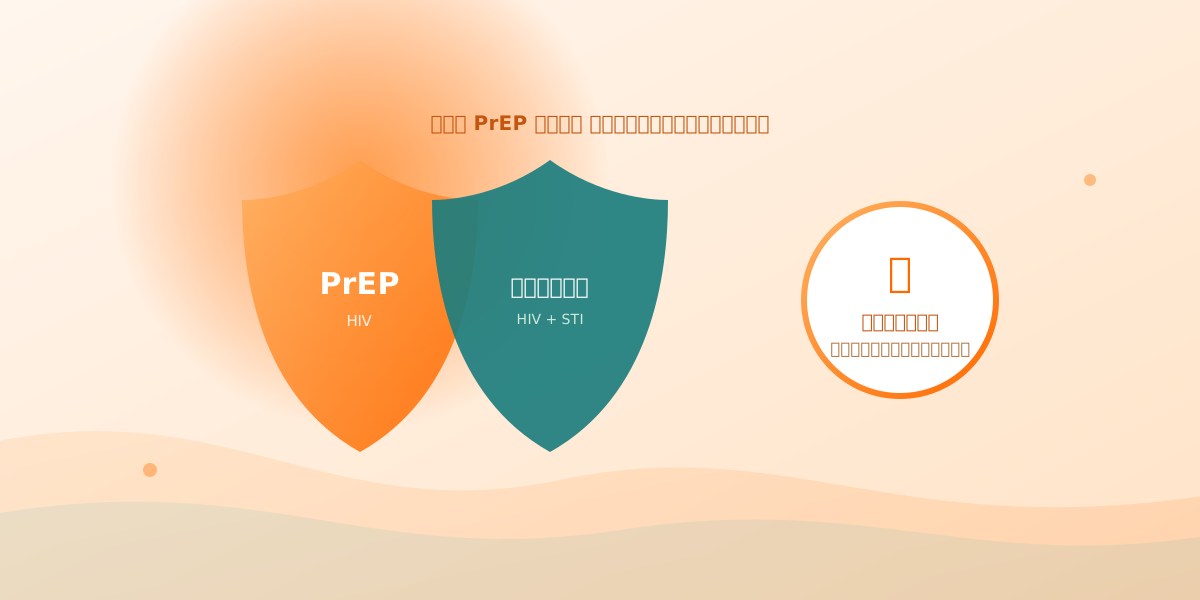
Crucially, PrEP protects against HIV only — not other STIs like syphilis or gonorrhoea. So use it with condoms for broader protection and get regular sexual-health check-ups. PrEP is one prevention tool, not a replacement for all others.
Is daily PrEP safe? Any side effects?
Generally, PrEP is widely used and considered safe under a doctor’s care. Still, like any medication, some people may have side effects. Most side effects are mild — some feel stomach upset or minor symptoms early on, usually improving as the body adjusts; a doctor monitors your health periodically to ensure your body responds well; and if anything unusual occurs, consult your doctor rather than stopping on your own, and report any concerns. Requiring a doctor’s care and periodic monitoring is precisely to ensure PrEP is both effective and safe for each person. If you have concerns about side effects, talking with your doctor is the best approach.
Who should consider daily PrEP?
Daily PrEP suits those at ongoing HIV risk, especially: those at frequent or unpredictable risk, since daily use gives constant protection without planning each time; those with a partner who has HIV, especially if the partner isn’t yet virally suppressed; those who want convenient prevention, since a daily routine may be easier to remember than event-based planning; and groups without data supporting On-Demand, such as vaginal sex or shared injecting. Still, deciding which PrEP approach to use should involve a doctor to assess suitability individually, since risk and lifestyle differ per person.
Tips for staying consistent
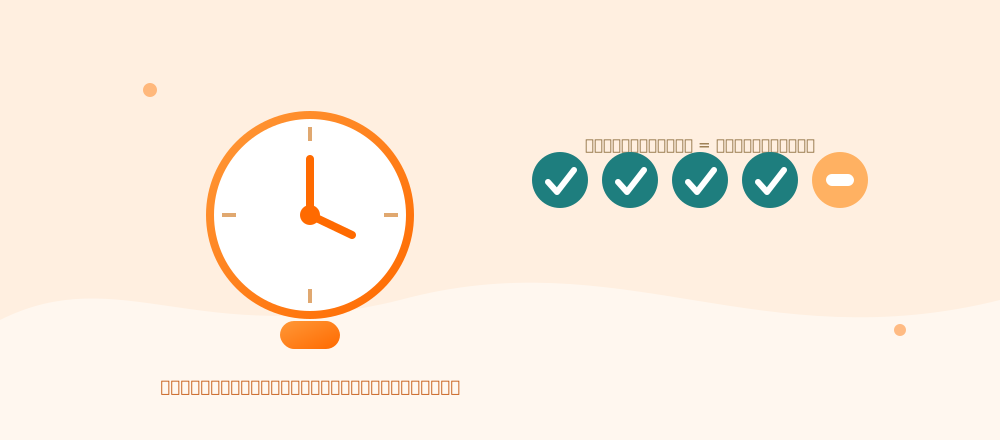
- Same time daily — tie it to a routine, like after brushing teeth or before bed.
- Set a phone reminder — a daily alert at the set time.
- Use a pill organizer — so you know if you’ve taken it each day.
- Refill in advance — so you don’t run out and have a gap.
These small aids make daily PrEP an easy habit and keep protection high.
Conclusion
Daily PrEP means one HIV-prevention pill every day. Taken consistently as prescribed, it lowers the risk of getting HIV from sex by about 99%. Consistency is key — the closer to as prescribed, the higher the protection. After starting, full protection takes about 7 days (anal sex) or 21 days (vaginal sex / shared injecting), and you need an HIV test before starting plus regular monitoring. PrEP protects against HIV only, so use it with condoms. If interested, consult a doctor or clinic. See more at PrEP for HIV and the overview at HIV prevention.